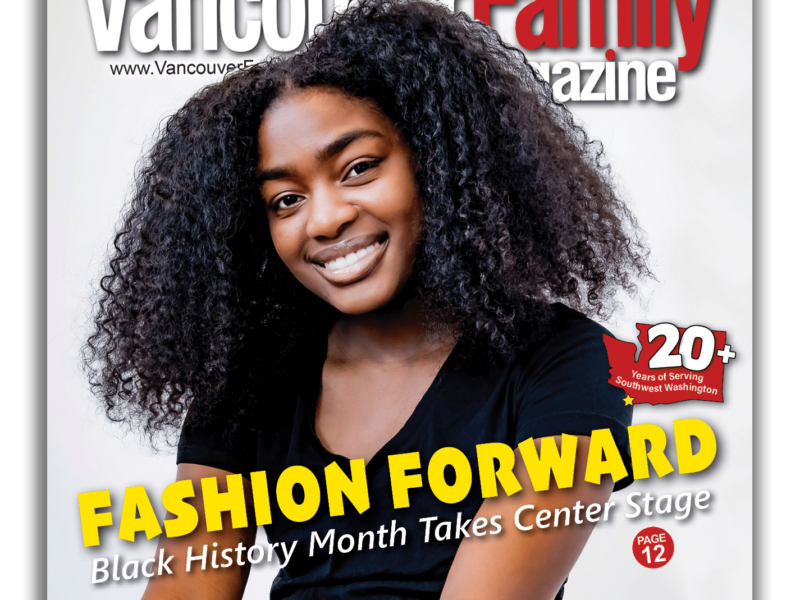

Fashion Forward: Black History Month Fashion Show Takes Center Stage
Content warning: This article mentions suicide. If you or someone you love is experiencing thoughts of self-harm, call the National Suicide and Crisis Lifeline any time day or night by dialing 988.
Jump to Section
Ruby N. Lewis’s daughter was only in the fourth grade when she told her mother that she wanted to take her own life. She was facing so much discrimination and hatred from other students and adults at her school because of the color of her skin that she didn’t want to live anymore. It was a critical moment for the family, and Lewis sprang into action.
“Instead of constantly fighting biases the way that I was doing it, I knew we had to do something different,” Lewis says.
Lewis went to work changing the images her daughter saw daily and replaced them with inspiring and uplifting ones. She changed the posters on the walls and even the bed sheets to include ones with positive affirmations. She eventually moved her daughter to online schooling. Slowly but surely, Lewis noticed a change in her daughter, who began to feel that her life had meaning and was worth something, even if she didn’t look like her peers.
While the crisis at home dissipated, Lewis thought about other tweens and teens who may be feeling the same way, knowing that if her daughter was experiencing racial discrimination, then other kids were too. “As far as things in the Pacific Northwest to uplift and inspire African Americans, there really wasn’t much stuff out here,” explains Lewis. She knew that she would have to take matters into her own hands, and it became apparent what her next move would be.
Drawing on her previous life experience working as an au pair and fighting for children in state custody, Lewis wanted to extend her reach to local teens, to show them how much they mattered and how valuable they were in the community. “If we can give middle schoolers and high schoolers a way to feel confident about themselves, then that is extremely powerful because instead of them feeling depressed and [attempting] suicide, they can have something to look forward to. They can have hope.”
Lewis already had the resources in place to make a difference. In 2007, she became the CEO and president of the nonprofit Please Don’t Die Black Men (PDDBM), an organization created to uplift and inspire African American males.
“The goal was to educate, empower, inspire and uplift people of color across the country,” explains Lewis. “It’s for people to fight and stand with African and Black people who are struggling emotionally, physically, sexually or spiritually because of drugs and alcohol, abuse, violence or lack of education. We want to see a world where African Americans can be free of microaggressions, discrimination and systemic barriers. Also, we provide physical and mental support and resources and allow people to live healthy and dignified lives.”
A Runway for Change – Black History Month Fashion Show
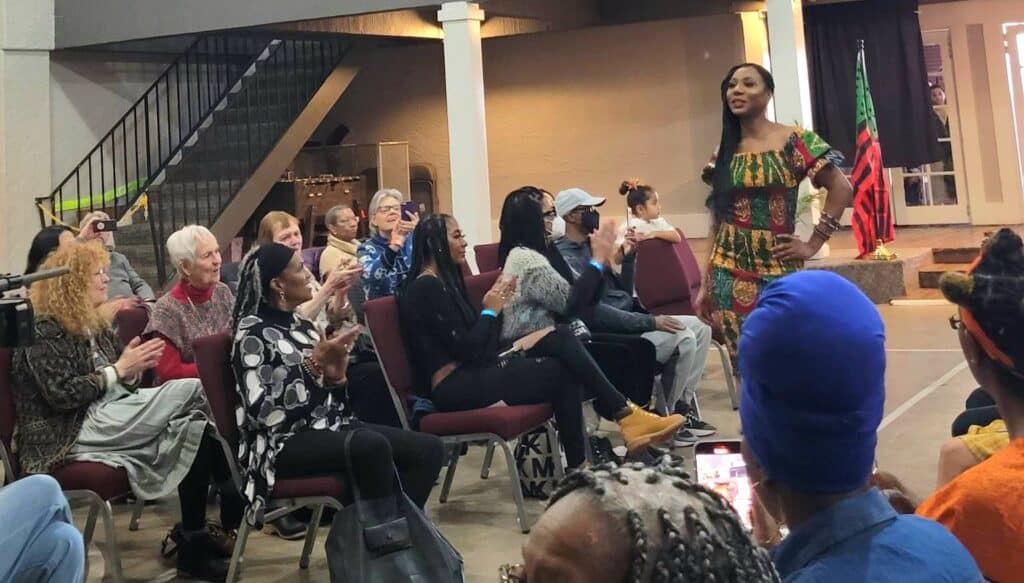
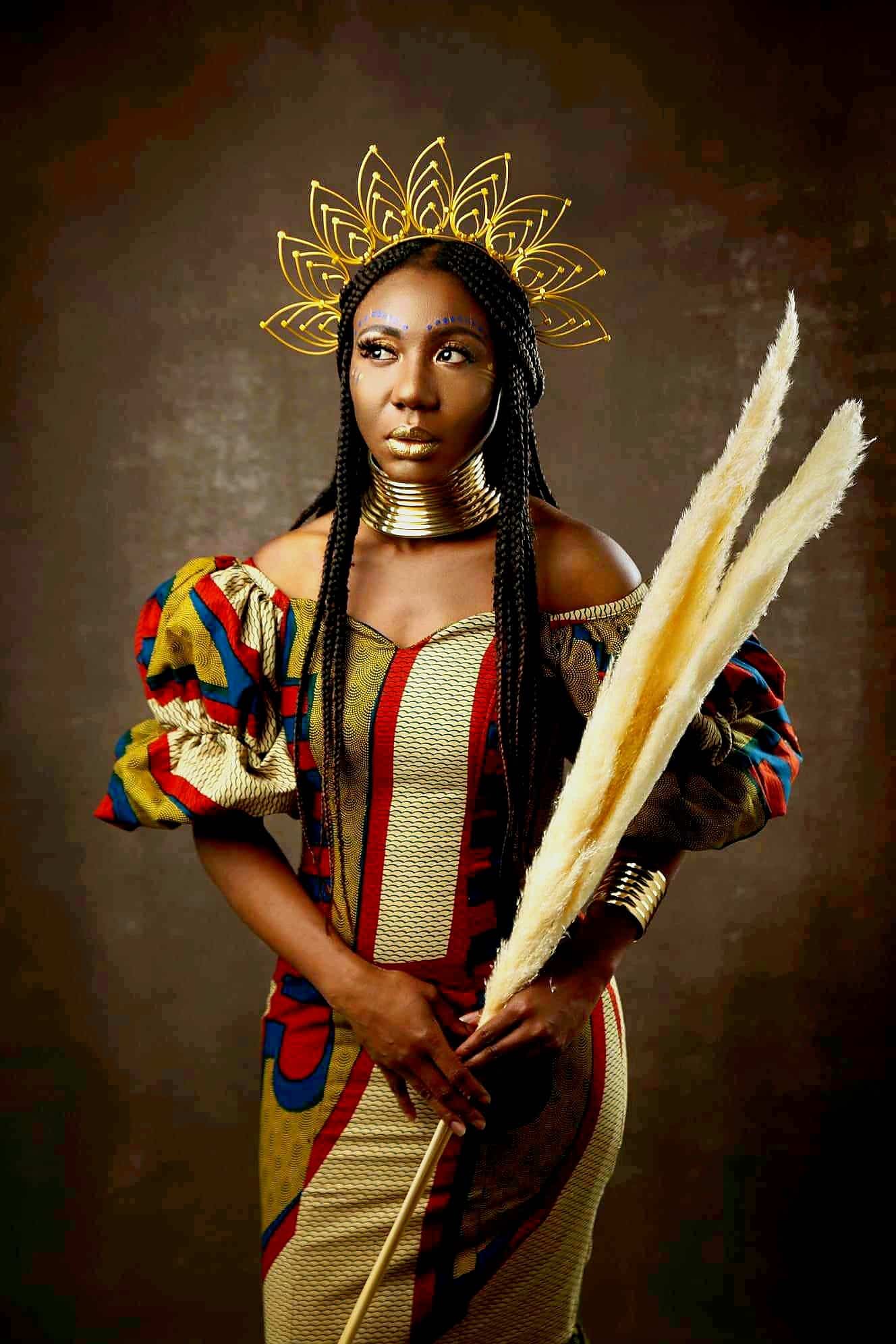
Lewis realized she could reach children and teens through the arts, especially fashion. So, she organized the PDDBM Black History Month Fashion Show, which debuted last year and is taking place again this month at Clark County Event Center. “Anyone can relate to fashion,” says Mbete Dunbar, model and model coordinator for the show. “It’s a form of expression—expression of feelings or emotions. It’s also a creativity language.”
Fashion was something that influenced Dunbar at a young age. She remembers watching excitedly as models like Tyra Banks and Iman walked the runway. “They were one of the first people on the scene for Black females. They upheld the standard of what the industry was looking for from them. Seeing them up there doing what they love was amazing and inspiring.”
Dunbar didn’t pursue a career in fashion, but as modeling and fashion became more diverse, seeing herself represented in the fashion industry stayed with her, and she continued to love it. She would jump at the chance to be a model in any fashion show she could between Portland and Seattle. So, when Lewis called asking for her help with the PDDBM Black History Month Fashion Show, she was happy to lend her talents and walk the catwalk.
Dunbar knew this would be an exceptional event from the beginning. Everyone involved in the fashion show brought unique skills and excitement to their jobs. She was grateful for the chance to not only model, but to work behind the scenes as well.
A Legacy Inspires Future Fashion Designers
The PDDBM Black History Month Fashion Show quickly cemented its place as a cultural force at its inaugural event last year. Yes, models strutted their stuff down the catwalk, but the whole experience is designed to enrich and uplift the lives of African American kids and teenagers through education and visibility. Lewis made it a point to showcase African Americans who have impacted the fashion industry since the 1860s. In what she calls the Mini African American Fashion Designer Museum, portraits and biographies appear all around the room so that people can learn about their lives and how they changed the fashion world.
One of those people is Elizabeth Keckly, a designer who means a lot to Lewis. Keckly, who was born into slavery in 1818, became proficient in sewing and dressmaking. In 1855, she bought her and her son’s freedom and established a dressmaking business that included a staff of 20 other seamstresses. Her clients included the wives of Robert E. Lee and Jefferson Davis. Keckly became the personal dressmaker to Mary Todd Lincoln, President Abraham Lincoln’s wife. She wrote about Lincoln’s life and her time as an enslaved person in her autobiography, “Behind the Scenes: Or, Thirty Years a Slave, and Four Years in the White House” (Carleton & Company, 1868).
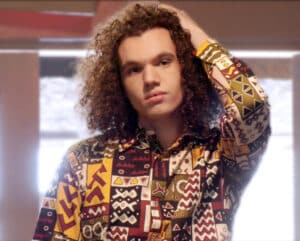
Keckly’s impact on the fashion industry is undeniably significant. It’s a story of discrimination, and hate, but also resilience and perseverance, and because of the PDDBM Fashion Show, many young African American teens know her name. They have seen the challenges she had to endure and marvel at the legacy she left behind.
That’s why Lewis is back to do it all again this year. “Having the opportunity to participate in shows like this, which represent diversity and fashion at the same time, allows you to see yourself in a different space and understand that everyone and anyone can participate in it.”
And since fashion is for everyone, Lewis is doing all she can to get kids participating in and to the show for free.
So far, 96 tickets have been donated to students at Vancouver, Evergreen, Camas and Ridgefield school districts, and that number continues to grow. Once at the show, the kids become VIPs and are treated to an experience they can’t get anywhere else.
Not only do they get to see the fashion show, but they also get a gift basket, a certificate, free food consisting of authentic West African cuisine, a photo with the models, designers, CEO, DJ and host, and they get to go backstage and mingle with the models. The goal is to show these kids that they have a community, a voice in the fashion industry and a place to express themselves and tell their stories. “We are all about inspiring and uplifting African Americans, especially middle and high schoolers,” says Lewis.
Dunbar also has high hopes for this year’s fashion show. She believes they have learned much from last year’s show and that this one will be bigger and better. In fact, she can see all of the Pacific Northwest embracing this event in the future. “I hope that it becomes the biggest celebration of Black culture and fashion and that maybe people from surrounding areas like Portland and Seattle all join together to make this a Black History Month celebration for the Northwest side of things.” Dunbar hopes to see the fashion show become a week-long celebration in multiple Pacific Northwest cities.
Artistic and Scholarship Opportunities
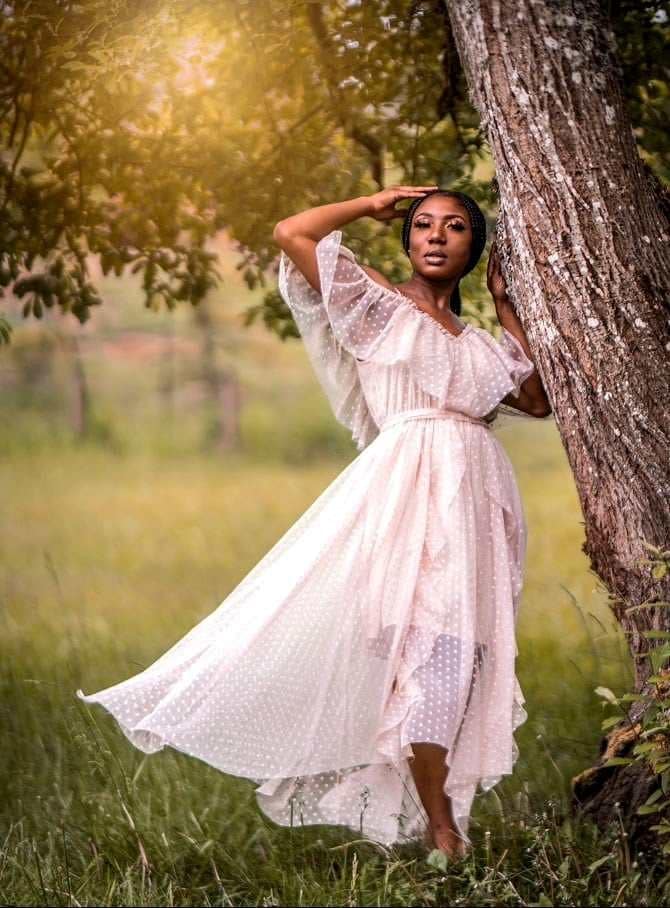
Another reason everyone wants the fashion show to continue to grow is because the proceeds from the fashion show fund the Please Don’t Die Black Men programs for young men and women. These programs reach kids interested in journalism, filmmaking and fashion design.
In the journalism program, PDDBM produces the “PROUD” magazine, giving kids the opportunity to learn skills in marketing, journalism and more. Through the Start to Finish film project, middle and high schoolers work as a group to create and execute all parts of a short film. That includes writing the script, casting, shooting and editing the movie.
At the end of the program, students will get an IMDb credit along with their finished and edited short film. The Fashion Design program allows kids to express creativity and learn fashion design. It’s these designs that are celebrated during the PDDBM Fashion Show. Kids leave that program having the whole experience of being a designer. They can even have an opportunity to become part of the PDDBM clothing line.
And for students who have interests outside of the arts, PDDBM offers a STEM scholarship program that provides scholarship opportunities in STEM classes for students who face systemic and/or financial obstacles. “We promote equity through these programs and events. These programs are geared towards inspiring vulnerable middle and high schoolers to study what they want to do and gain confidence in themselves to succeed as they navigate Clark County,” says Lewis.
As for fashion and modeling, Dunbar believes that confidence and believing in yourself are the keys to career success. “Be yourself. Believe in yourself. There are going to be a lot of nos. Just keep pushing. If this is something you are doing that is coming from the center of your being, just keep pushing, seek out resources out there, and connect to people who can direct you to school or assistants to designers or creators. Network. Believe in yourself, and don’t settle for anything less than that.”
Students in Southwest Washington are lucky to have these programs and the fashion show in their backyard. Just as fashion continues to incorporate diversity, Southwest Washington continues to grow with people from all walks of life deciding to make Clark County their home. PDDBM programs and the fashion show are crucial to the community so that everyone can see themselves represented in leadership and creative positions.
The PDDBM Black History Month Fashion Show will be held at the Clark County Fairgrounds on February 10, and tickets start at $34.99. Learn more and purchase tickets at 2024bhmfashionshow.eventbrite.com.
Read the Full February 2024 Digital Issue Below.
Learn more about Please Don’t Die Black Men at pddbm.org.
Go here to learn more about Ruby Lewis and the Microaggression Board Game that she developed.