Northwest Association for Blind Athletes: Sports and Beyond
In 2007, 15-year-old Billy Henry borrowed $50 from a friend to start his own charitable nonprofit to support blind athletes. Legally blind and with an avid interest in powerlifting, he discovered there weren’t any events that could easily accommodate him. “I’ve always been entrepreneurial,” says Henry, explaining how he invited five of his friends to come over to his home in Hazel Dell and train together. They began attending competitions while Henry’s parents provided meals, transportation and support to make it all possible. But Henry didn’t stop there—he wanted to provide those same opportunities for others.
For seven years, Henry worked to build Northwest Association for Blind Athletes (NWABA) in a volunteer capacity, relying on grassroots funding and bake sales to raise money. His mission? To provide life-changing opportunities through sports and physical activity to individuals who are blind and visually impaired. Henry, along with his team of seventeen staff members and hundreds of volunteers, have managed to do just that.
“I see our athletes making friends and building their confidence, that’s what inspires me,” says Henry. He adds, “I’m more excited now than I was at the beginning.”
A Wide Range of Ages and Activities
The organization has grown since its original powerlifting-in-the-garage phase to offer 20 different sporting events including running, cycling, kayaking, stand-up paddleboarding and even skiing and snowboarding. NWABA serves everyone ranging from 6-month-old babies learning to acclimate in water to individuals in their 80s.
Bob Cavanaugh had been on NWABA’s mailing list for years before he finally attended his first event in 2021. Cavanaugh, who is blind and loves to try new things, explains that before NWABA, he’d had to orchestrate all his own outings. He says, “I’d done sports and activities before, but it was always on me to coordinate, and the planning was a lot of work.”
NWABA organizes multiple events per month and provides these free of charge to participants because they know just how much impact attending regular events can make. “We put on 500 events a year and about 95 percent of our funding comes from donations, grants and corporate support,” says Henry.
He goes on to explain that while NWABA serves about 650 individuals every year, they have 5,000 interactions annually due to repeat engagement. “We know that ongoing and consistent programming improves the quality of life,” he says. The programs offer more than just physical benefits—they provide life skills, confidence and community connections.
For his first event, Cavanaugh wanted to try something he’d never done before so he opted for paddleboarding. Events like this are facilitated with transportation, equipment and sighted volunteers who provide instruction and sit on nearby paddleboards to provide directions or look out for obstacles.
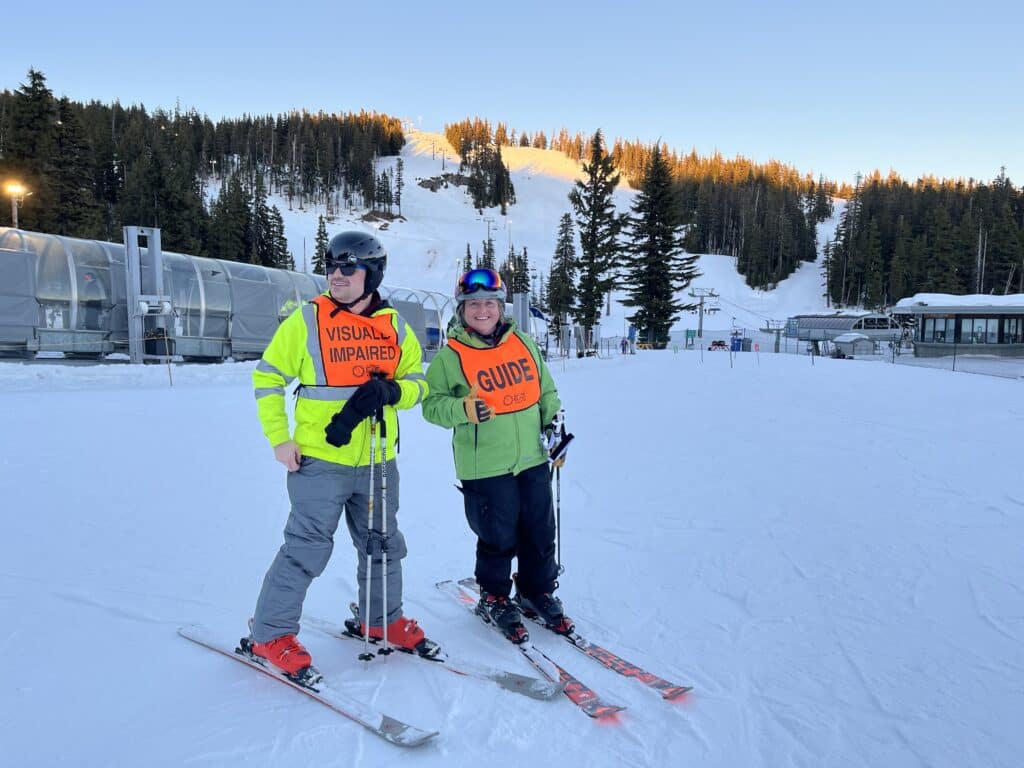
Since then, Cavanaugh has added swimming, tandem biking, kayaking and skiing to his sports repertoire. Cavanaugh explains that Mount Hood Meadows Ski Resort has instructors trained in teaching adaptive courses and preparing blind skiers to cruise down the mountain independently. While he spent his first few classes skiing while holding onto a pole, Cavanaugh has advanced and now skis with an instructor skiing by his side to help navigate the mountain.
The extensive planning and organizing by NWABA have meant a lot to Cavanaugh and his peers. “It’s given me a lot of opportunities to try new things and to make good friends,” he says. “You never know who you’re going to be with on those long car rides up to the mountain, and sometimes it’s a good chance to rant about transportation or share cooking tips with a supportive community.”
More Than Sports
Whether people are inclined toward sports or not, NWABA wants everyone to know they don’t have to identify as an athlete to participate. “We’d love to welcome everyone of all ages and abilities,” Henry says. “We’ll meet you where you’re at and treat you with respect and dignity.”
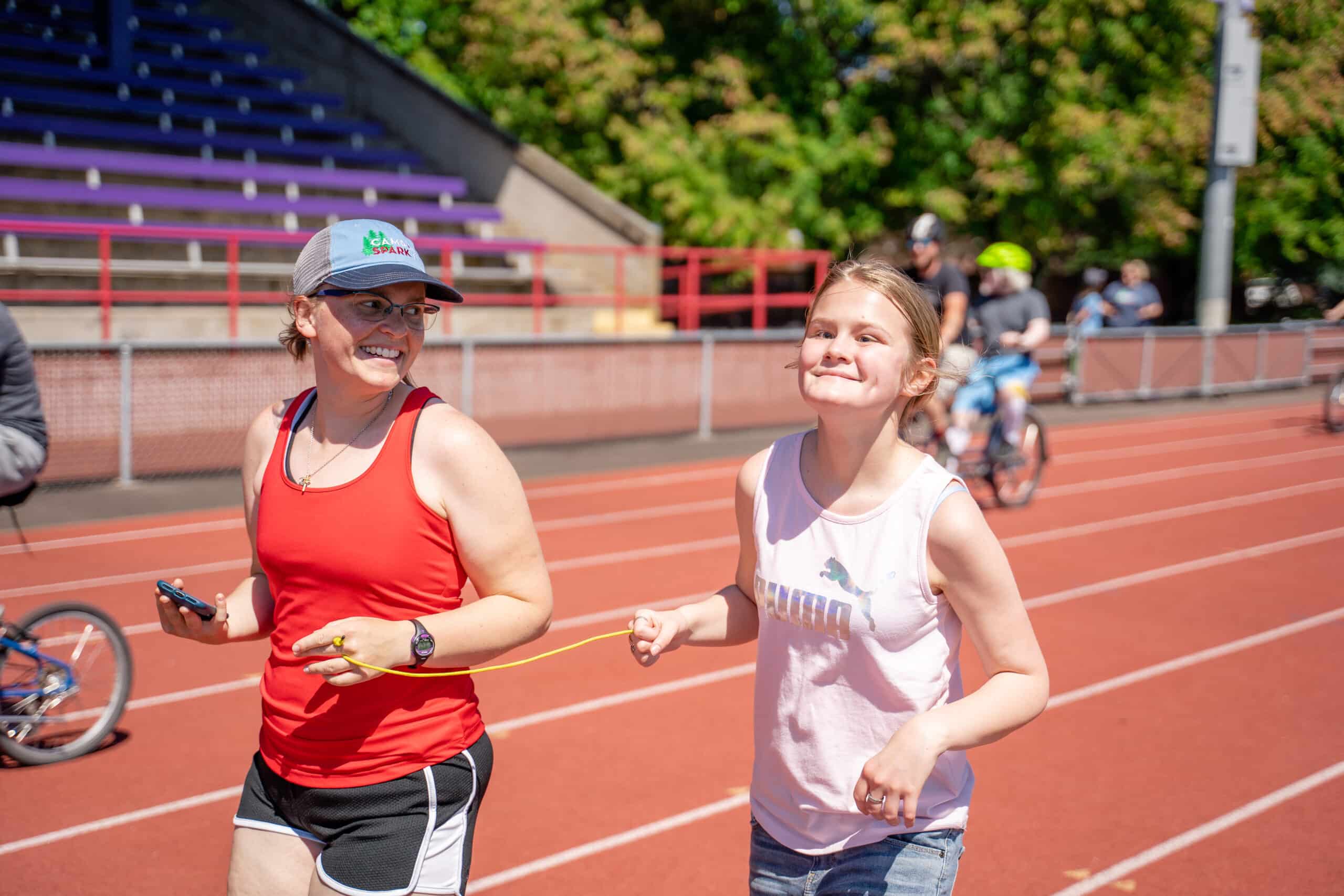
In addition to the regular events NWABA holds, the organization has found a multitude of other ways to support blind community members. One substantial way is through their adaptation programs and equipment lending library. Teachers, students and families can borrow all sorts of adaptive equipment such as beeping balls and tether ropes to make school and community-based sports more accessible. “No one should have to sit on the sidelines,” says Henry.
Along with the equipment lending library are members of NWABA who provide instruction on how to use the equipment. Henry adds, “We also provide assessments in the schools so we can help teachers understand what a student needs to be included in all classroom activities.”
Youth Programs
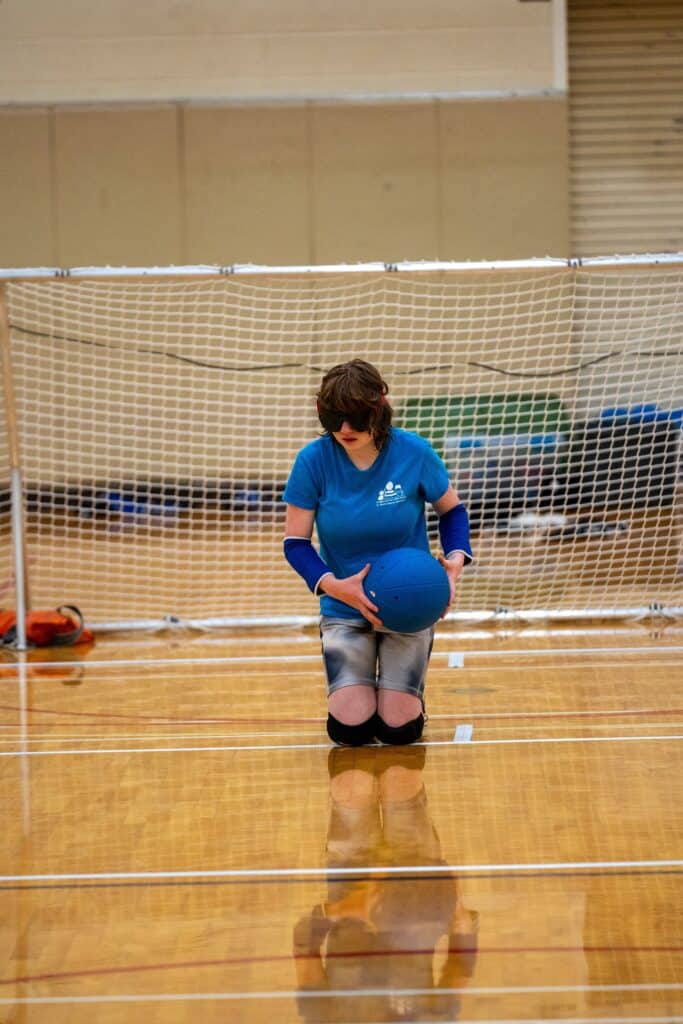
One of NWABA’s most popular in-person events is Camp Spark, a camp held for youth and young adults to participate in sports as well as community building and life skills. Maggie R., a sophomore at Washington State School for the Blind, is set to attend her third year at Camp Spark this summer.
Maggie, who loves powerlifting and the “Hunger Games” book series, spent one of those camp sessions at the Linfield University campus in McMinnville. “It was really fun to have a college experience; I got to sleep in a dorm and have a roommate,” she says, adding that after graduation she would like to attend the LIFTT (Learning Independence for Today and Tomorrow) program and she is considering Clark College.
Campers at Camp Spark actively participated in sports including track and field, tandem biking, swimming and goalball, a team sport geared for athletes with visual impairment where balls embedded with bells are thrown into the opponents’ goal. Although Maggie’s team won the goalball mini tournament last year, she says she prefers her powerlifting team: “I’d rather stick to the sports without balls in them.”
In addition to the sports, one of Maggie’s most important takeaways from Camp Spark is the community and friendship building: “I get to meet people where we have things in common; we’re all blind and sports minded, and we just want to hang out and have a good time.”
Extensive Reach
NWABA’s current in-person offerings extend across Washington, Oregon, Idaho and Montana, but their reach goes even farther than that. “We also provide virtual programs across the country,” says Henry, explaining that these are audio guided exercise classes like dance aerobics that people can do from the comfort of their own home. He goes on to say that this type of access is critical for blind people in rural communities or those who don’t have access to transportation.
Henry shares that the organization’s long-term vision is to be a national leaderat helping blind and visually impaired individuals improve the quality of their lives through sports and physical activity, but he isn’t in any rush. “We’re really focused on intentional growth and the quality of our programs,” he says. “We want to do one thing really well at a time, which is impacting that one person and helping them reach their greatest potential.”
People First
Cavanaugh says that NWABA’s mission to put people first is working. He says, “I wish people understood that blind people are people first, and we just want to be treated like anyone else would, and that’s at the heart of NWABA.”
Liz Kuth, an employee of NWABA for the past 2 1/2 years says, “I’ve worked in a lot of environments, and I like being involved in an organization that’s doing so much good in the community.” She adds, “It’s empowering to see our mission in action.”
Even walking into the nonprofit headquarters on Broadway Street in Vancouver, the pride and passion is palpable. The walls are decorated with large portraits of athletes in action and even the wallpaper has inspiring words written in Braille. After 18 years of evolving and growing his organization, Henry is always eager for people to learn about the good work they’re doing. “We’re always looking for volunteers and we want to share and raise awareness about the abilities of people who are blind, because blindness comes in all shapes and sizes” he says. “But the heart of our mission” says Henry, “is centering people who are blind. People first.”
To donate, volunteer or find out more about NWABA and the phenomenal work they are doing in Vancouver and beyond, visit nwaba.org.
Read the full March 2025 issue here:
Read more of our recent posts:
-
Best Family Photo Locations in Vancouver, WA
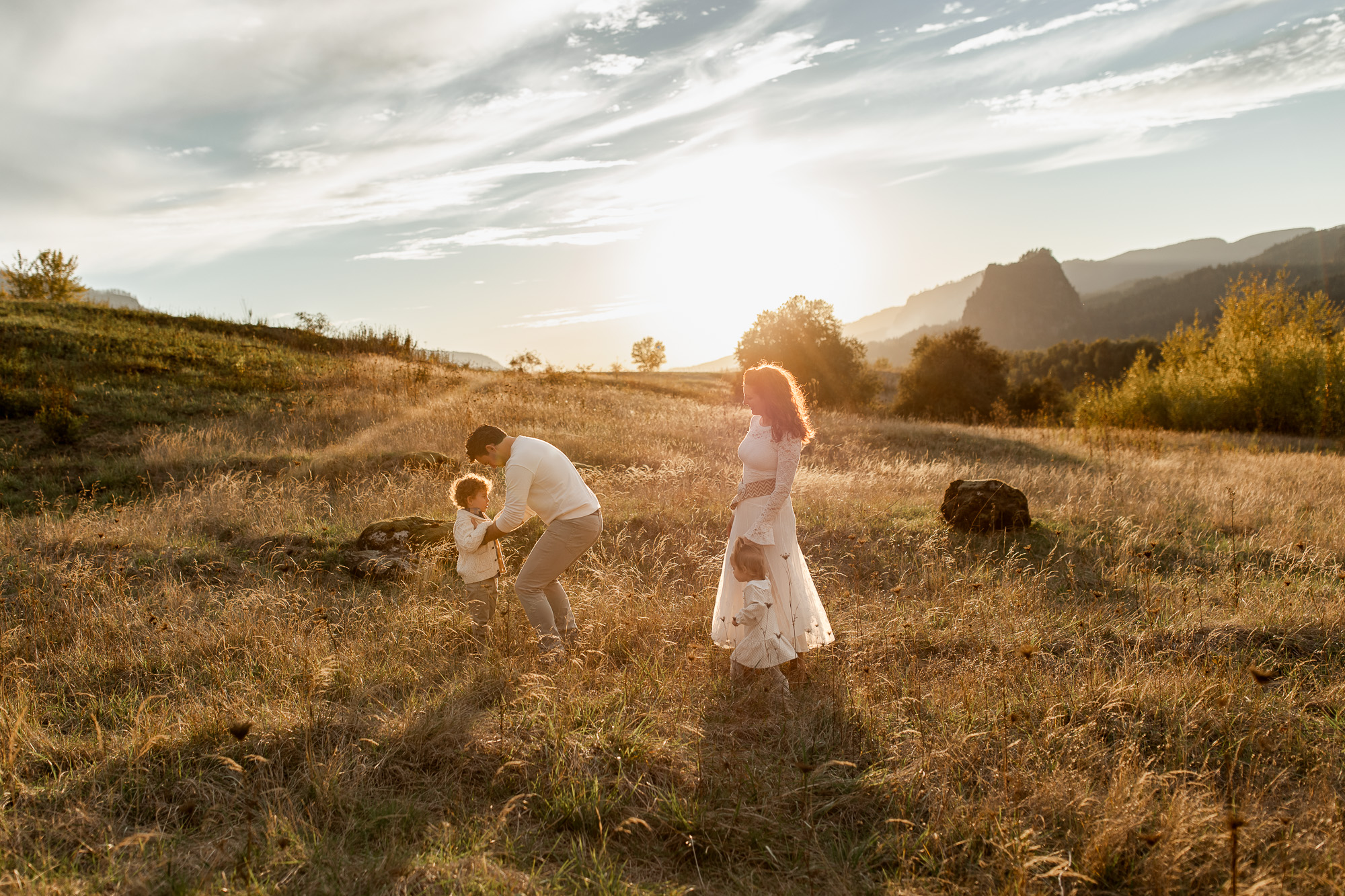
Spring and summer are the perfect seasons to capture meaningful family photos, and these scenic local spots offer beautiful backdrops for relaxed, natural moments together.
-
Read Now: Vancouver Family Magazine May 2026 Issue
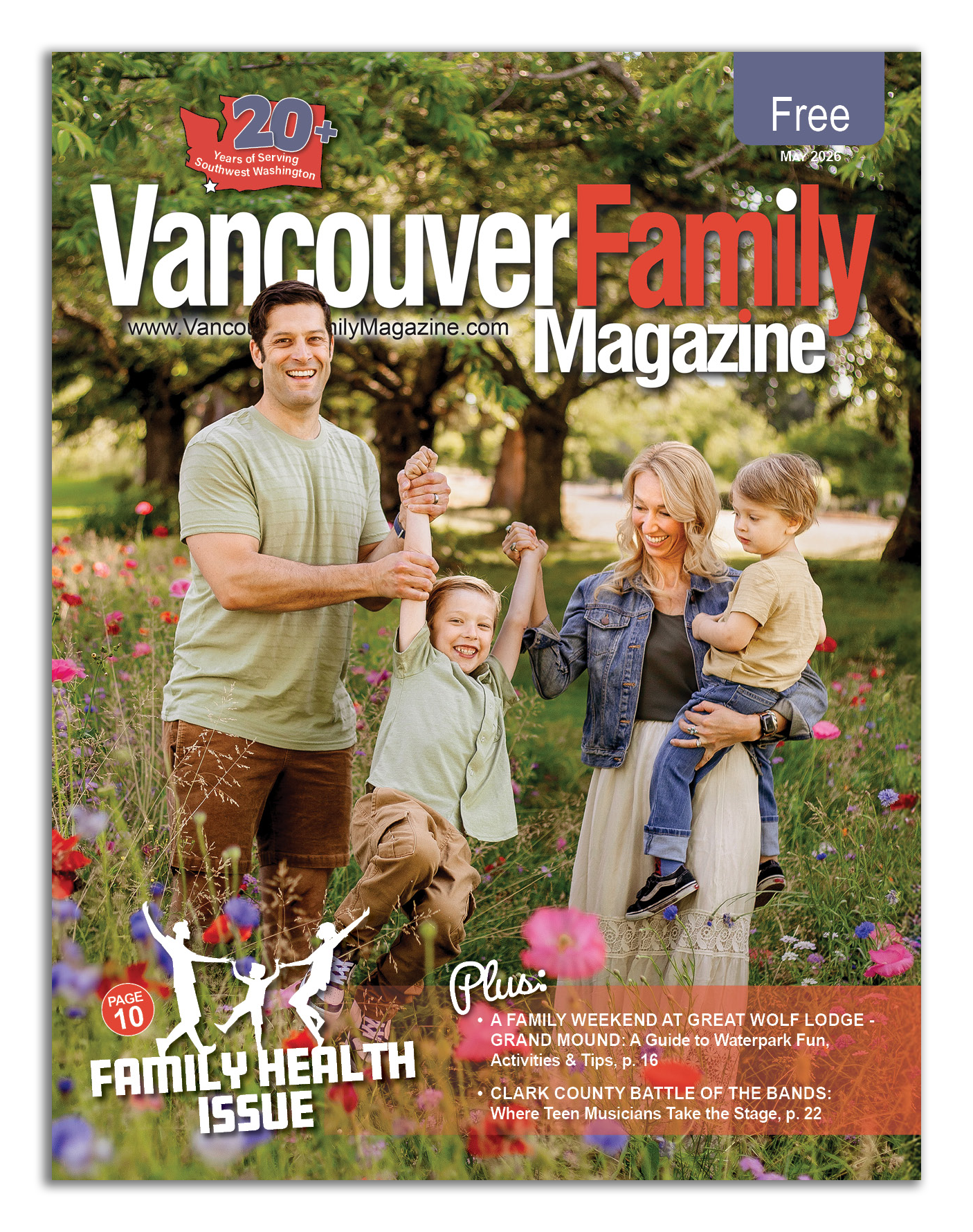
Family Health Issue | A Family Weekend at Great Wolf Lodge – Grand Mound | Clark County Battle of the Bands
-
Stronger Together: How Family Fitness in Clark County Builds Health, Connection and Community
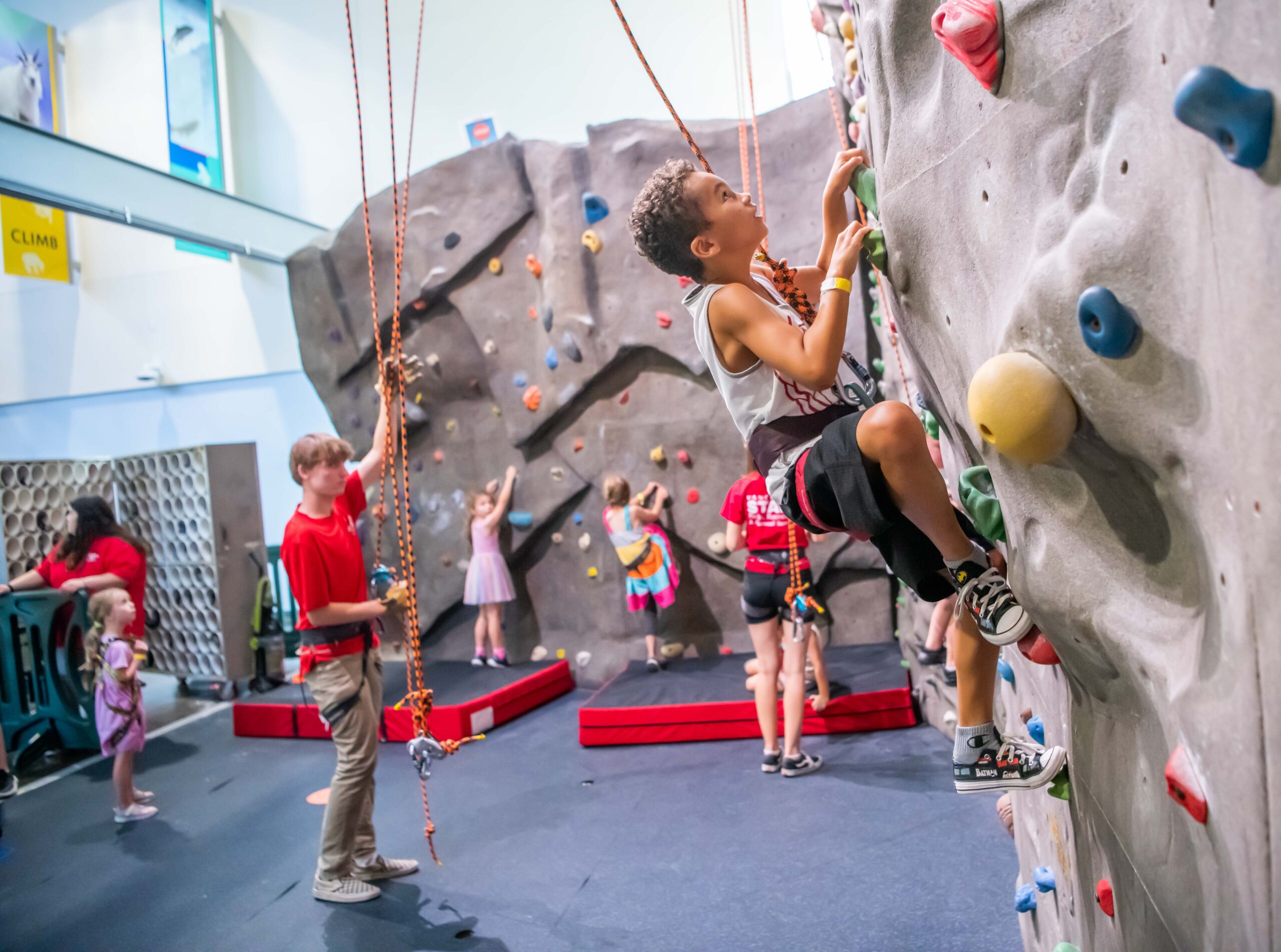
From swim lessons to community courts, get ideas on how to get active together as a family while building confidence, connection and lifelong healthy habits along the way.