
Slumberkins: Our Exclusive Interview with Co-Founder, Callie Christensen
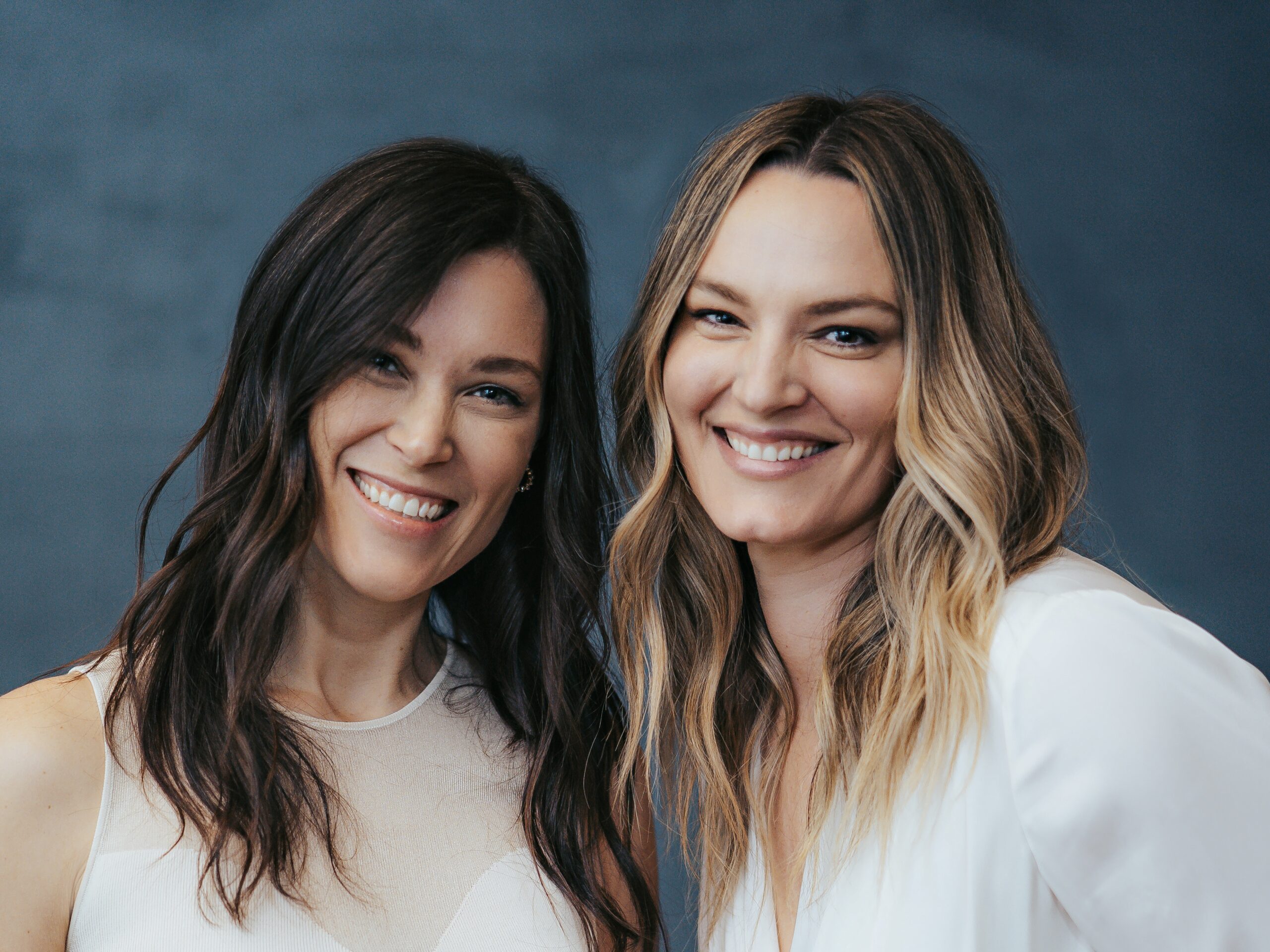
Before they created an enormously successful emotional learning brand, Callie Christensen and Kelly Oriard were best friends attending Prairie High School in Vancouver, navigating the normal ups and downs of adolescence. Years later, as adults and mothers themselves, the two women teamed up to craft a collection of cuddly creatures and books, all designed to guide children and parents through those same ups and downs. Staying true to their original vision, they’ve even gone on to produce an Emmy-nominated children’s television show with The Jim Henson Company, a compilation of guided meditations with Deepack Chopra, and a children’s music album featuring fellow Vancouver-ite Britnee Kellogg and other gifted musicians. And it would seem that all of these accomplishments are just the beginning for this dynamic duo. I recently connected with Christensen about how the idea for Slumberkins came about, what they’ve got coming up, and of course, I couldn’t help but ask about their life-changing appearance on “Shark Tank.”
NK: How long have each of you lived in Clark County? Do you both still live here?
CC: We’re both from Vancouver—I was born and raised here, and Kelly moved here as a child. Though we left for college (and Kelly spent time abroad), we both found our way back, pursuing our master’s degrees and starting our careers in local school districts. Today, we both live in Camas. It’s such a special place to raise a family and be an entrepreneur. The support from our local community has been incredible, and we feel so lucky to have built Slumberkins right here.
NK: Do you both have kids? If so, how many and how old?
CC: Yes! We’re both moms, and our kids have grown up alongside Slumberkins. I have four children—three boys (15, 13, and 9) and a daughter (8). Kelly has two boys, ages 7 and 9. They all attend school in the Evergreen School District, and we love that they get to be part of the community that shaped us.
NK: How and when did the two of you meet?
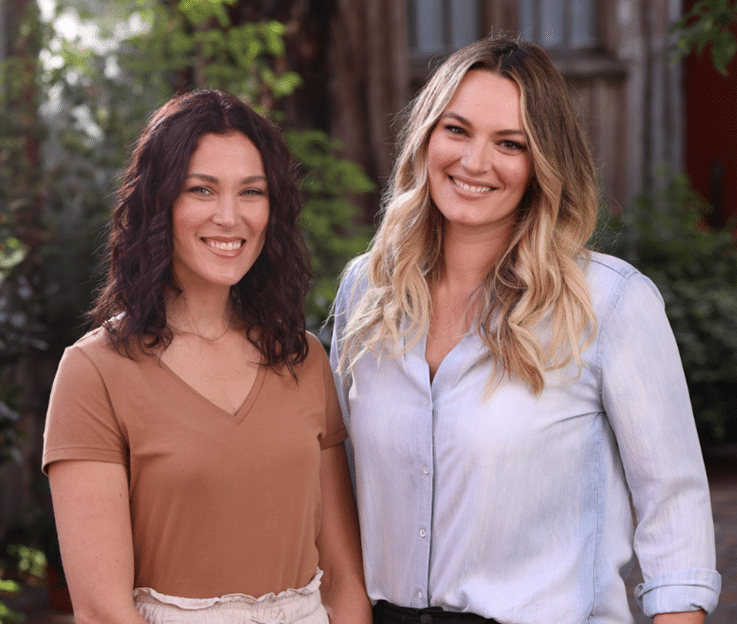
CC: We’ve been best friends since freshman year at Prairie High School—bonding quickly at volleyball tryouts as two awkwardly tall girls. After high school, we both pursued Division I athletics—Kelly played volleyball at the University of Oregon, and I played basketball at the University of Hawaii. Kelly later played professionally in Europe before returning to the Pacific Northwest, where we both pursued our master’s degrees in education.
We both truly thought we’d retire as educators—I was a special education teacher with Evergreen Public Schools, and Kelly worked as a school counselor and social worker in Portland Public Schools. We were both deeply invested in supporting students’ mental and behavioral well-being, constantly swapping strategies we found effective in our respective roles. That’s when we noticed a gap—there weren’t many engaging, accessible resources for emotional learning, especially for families in crisis or seeking early intervention.
NK: So, is that how the idea for Slumberkins come about?
CC: Slumberkins was born from our shared passion for emotional wellness and our backgrounds as educators and therapists. The idea took shape while we were both on maternity leave, navigating the joys and challenges of early motherhood. As teachers, we knew how important it was to instill emotional learning in children early on, but we also understood how hard it could be for parents to find the right tools to do so.
We both knew that when parents and educators were on the same page, kids saw quicker and longer-lasting success. But so many parents felt helpless, unsure how to support their children emotionally. That realization became the inspiration for Slumberkins. We wrote our first storylines based on interventions we were using in schools, making them parent-friendly and character-based.
The problem? We had no idea how to make a plush character. So, in true DIY fashion, we taught ourselves to sew. Our first prototypes were stitched together in our living rooms, and in 2015, we took them to the Mountain View Holiday Craft Fair. To our surprise, they sold out! That was the moment we knew we were onto something special.
Our mission has always been to support children’s emotional development. We believe in the power of storytelling, connection, and intentional routines to help kids build confidence, resilience and emotional skills.
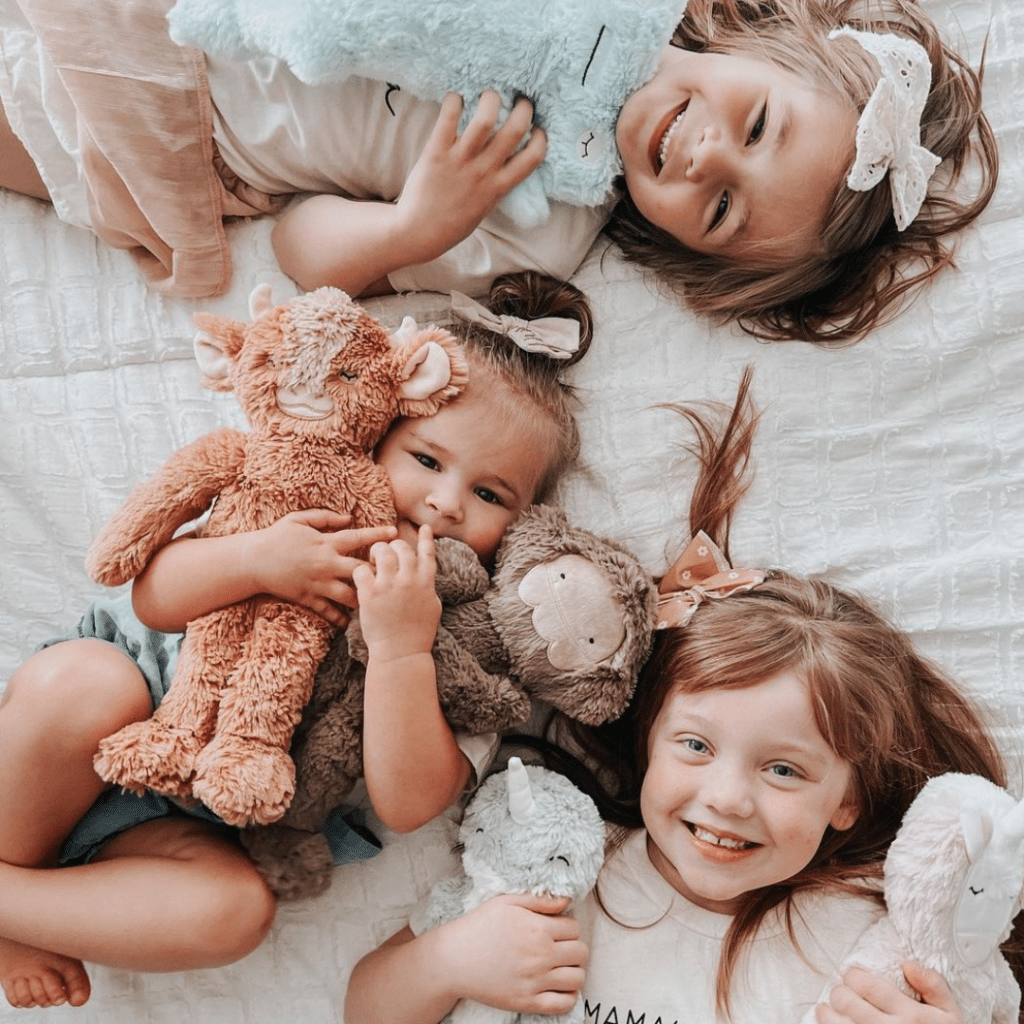
Our very first creatures were Bigfoot (focused on self-esteem) and Sloth (focused on relaxation and sleep)—both remain beloved favorites today.
NK: Tell me more about the process of developing that first round of products and scaling the company.
CC: It was a mix of creativity, trial and error, and a lot of heart. Each character was intentionally designed to teach a specific emotional skill. Sloth was a natural fit for sleep and relaxation, and Bigfoot was inspired by my own experience growing up as a very tall child—6 feet tall by sixth grade! My mom helped me navigate the challenges by reinforcing positive affirmations, which became a guiding light for my self-confidence. That personal experience shaped how we structured our books—each one ends with an interactive affirmation practice, helping children internalize positive self-talk.
On the production side, we had no idea how to publish a book or manufacture plush, so we self-published our stories as poems on cardstock and continued sewing everything ourselves. Once we started selling on Etsy and saw demand grow, we realized we needed to scale beyond our own sewing machines! In July 2016, we officially launched Slumberkins online.
NK: Do you and Kelly create the art in your books to compliment the text? Or do you have a head artist or a team of artists that create the illustrations? I love all of your whimsical art!
CC: Thank you, we love that you enjoy the whimsical art in our books! Our creative process is truly a collaboration. Kelly and I start by brainstorming and aligning on a theme, emotional skill and the corresponding creature’s storyline. Kelly typically takes the lead on writing, ensuring that therapeutic interventions and concepts are woven seamlessly into the narrative, while we collaborate on the creative direction.
From there, we go back to our roots—literally hand-drawing (often pretty poorly!) our initial ideas for what the character should look like. In the early days, we would start by sewing the creature first and then illustrating it. Now, we work in tandem with incredibly talented illustrators and product designers who bring their expertise to either illustration or plush design. We have a very strong vision for the Slumberkins aesthetic, so we’re deeply involved in ensuring each character maintains that signature look and feel.
Right now, we’re actually in the process of developing a new character. We’ve hand-drawn our own versions and are collaborating with an illustrator to create what we call a Character Design Sheet—a guide that any of our illustrators can use to bring the character to life in a way that stays true to our vision. It’s a highly creative and collaborative process, and we love working with artists from all over the world who bring their own unique magic to Slumberkins.
Our very first illustrator, Teresa Thompson, who is based in Portland, played a huge role in shaping the original whimsical watercolor style that set the tone for our brand. As we’ve expanded and continued to publish new books, we’ve grown our team of illustrators to keep up with demand while ensuring each new story feels like an authentic part of the Slumberkins world.
NK: Has Slumberkins always been based in Clark County? How many employees do you have now?
CC: Yes! Slumberkins has always been based in Clark County. What started as two moms sewing Snugglers at home has grown into a full-fledged brand with a passionate team behind it. We were fortunate to have a small but mighty team that helped us figure it out—including our very first employee, Alissa, Kelly’s former school secretary, who turned out to be a wizard at operations (because, let’s be honest, school secretaries truly run everything). Today, we have a team of nine incredible employees, plus partners and collaborators who help bring our vision to life.
NK: When did you apply for Shark Tank, and what was that experience like?
CC: We applied in 2017, just a year into the business. As educators with big dreams but little business experience, we saw it as an opportunity to gain exposure and guidance. The experience was intense but invaluable.
We didn’t secure a deal, but the feedback was positive—the sharks recognized our passion and potential but noted how early we were in our journey. Despite not getting an investor, the exposure from the show propelled our brand forward. That moment also pushed us to fully commit—we resigned from our teaching jobs and dove headfirst into entrepreneurship.
NK: How did your business change after Shark Tank?
CC: Shark Tank pushed us to think bigger. The audience response was incredible, and the momentum led us into the local startup scene, where we learned how to raise venture capital and scale production. Ultimately, we secured investors who supported our growth and helped us scale the business.
We saw significant revenue growth after the show, with venture capital playing a key role in our expansion over the years. But with growth comes new challenges—especially navigating unpredictable events like COVID and the Silicon Valley Bank collapse, which directly impacted us. Those experiences tested our resilience and reinforced the importance of adaptability in entrepreneurship.
One of the biggest takeaways from Shark Tank was realizing how many doors the experience opens behind the scenes in the business world. It gave us credibility—people took us more seriously, even as first-time founders still figuring things out. But along the way, we’ve also realized something important: no one really has it all figured out.
In the beginning, we thought we’d find a mentor or coach who would guide us and tell us exactly what to do. But in the world of entrepreneurship, it all comes back to you. Yes, there are people who will support you, but at the end of the day, it’s your vision, your decisions and your ability to adapt that determine success. Learning that has been both the most empowering and the most humbling experience of our lives.
NK: What was it like bringing Slumberkins to Apple TV+ and working with the Jim Henson Company?
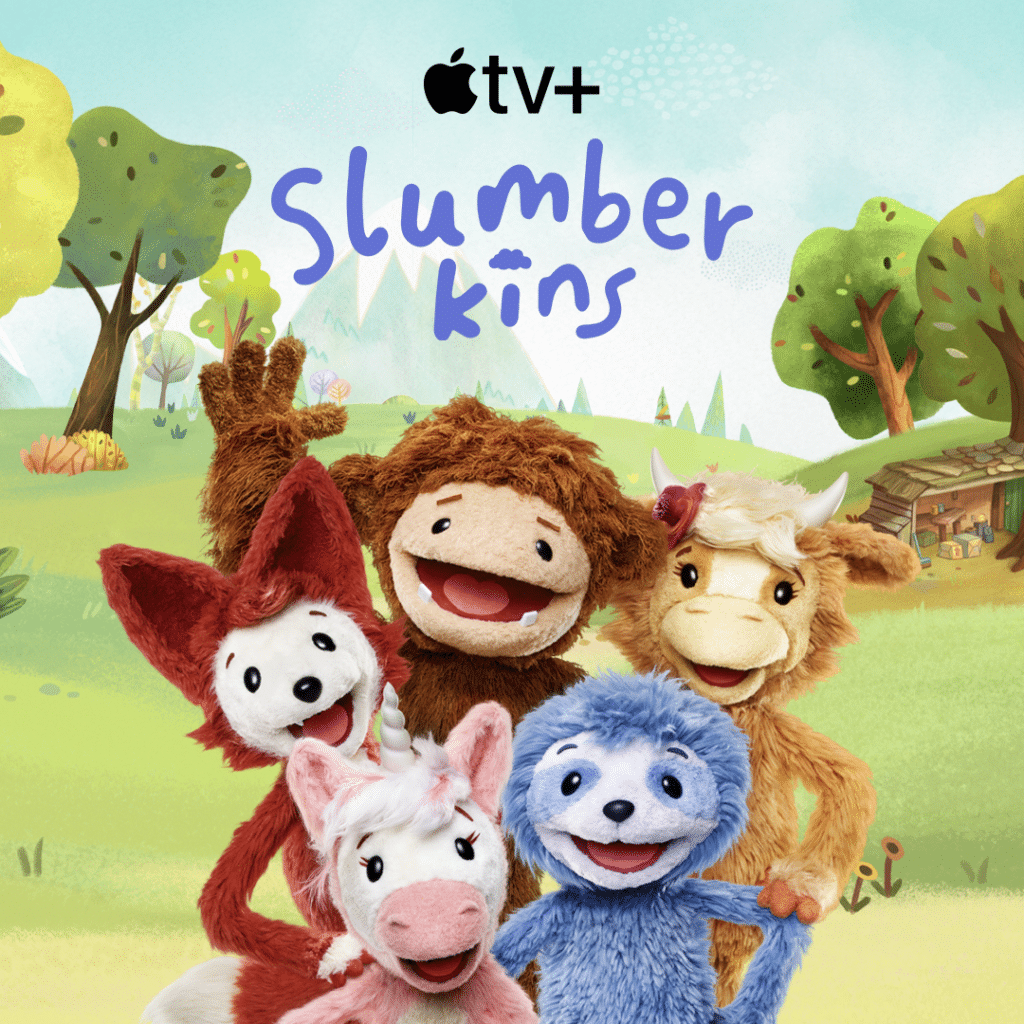
CC: A dream come true! We wanted to bring emotional learning to a new medium, and working with The Jim Henson Company as co-executive producers was incredible. Our showrunner, Alex Rockwell, and the team at Apple TV+ shared our passion for high-quality, educational content.
The first season was Emmy-nominated for Best Preschool Series (we lost to Sesame Street, which—let’s be real—is an honor in itself). It was surreal to see our characters come to life on screen!
Each episode contains two storylines, each about 11 minutes long. Since streaming platforms operate differently from traditional TV, the full season was available at launch, which is standard for preschool programming to allow young viewers to engage with episodes at their own pace.
One of the unique aspects of our show is the way we approach storytelling. Instead of following a traditional problem/solution arc—where a character looks outward to fix a situation—we created what we call “Emotional Fables.” These stories focus on internal emotions, perceptions, and the ability to sit with discomfort, process feelings, and use personal strengths to navigate challenges. We believe kids today need examples of grit, perseverance and emotional resilience in their toolbox. Rather than suppressing emotions or avoiding hard things, they need to see characters embracing positive self-talk, understanding others’ perspectives and finding their inner strength to work through life’s ups and downs.
This is something many of us, as adults, have had to re-learn—undoing patterns of bottling up emotions, self-sabotage or negative self-talk. We want to equip kids with these skills now, so they grow up feeling empowered and emotionally capable.
We hope to continue making more episodes in the future!
NK: What are your most popular products?
CC: Two of our bestsellers continue to be staples for families and educators alike. Sloth with the Routines Visual Schedule has been a game-changer for parents navigating the chaos of morning and after-school routines. It provides structure that kids can depend on—there’s a reason teachers always have their schedule posted on the whiteboard! Having a predictable plan helps children feel more confident and empowered in their daily routines, whether it’s getting out the door on time or winding down at bedtime. By bringing that same structure into the home, parents can harness some of the inevitable chaos and create smoother transitions throughout the day.
Another favorite is the Flip Out Hammerhead Emotion Regulation Set, which has become a go-to resource for both families and classrooms. Designed as a visual communication tool, it allows kids to express their emotions to a parent or caregiver while also equipping them with tangible coping strategies to self-regulate big feelings. It’s been especially popular for calming corners, giving children a structured way to process frustration, anger, or overwhelm in a safe and supportive environment.
Both of these products reinforce what we believe at Slumberkins—that kids thrive when they have the tools to understand their emotions and the structure to feel secure in their daily lives.
NK: What do you envision for Slumberkins’ future? Any big launches ahead?
CC: We’re always dreaming big! We just launched our new parenting book, “All Feelings Welcome” (Wiley, 2024) and are working on a second book with Wiley publishing now. While we can’t share details just yet, we have multiple exciting projects in the works that will continue expanding the ways we support families in emotional learning. Stay tuned!
All photos courtesy Slumberkins.
Read the full April 2025 issue here:
From Slumberkins’ YouTube Channel:
Go here to find free caregiver resources from Slumberkins.
Learn more about Slumberkins’ music album and their work with local nonprofits.