

Why Sun Protection for Kids Is a Summer Must
Table of Contents
During the warmer months, protecting children’s skin from the sun is essential. Kids have more sensitive skin, making them more vulnerable to sunburn and long-term UV damage, which can increase the risk of skin cancer later in life. Teaching sun safety early — such as using sunscreen, wearing hats, and seeking shade — helps build healthy, lifelong habits.
Jessica Smith, MD, a dermatologist practicing at Kaiser Permanente’s Cascade Park and Salmon Creek Medical Offices in Vancouver, WA, as well as the Longview-Kelso Medical Office in Longview, WA, answers questions about sun and skin safety for kids.
Why is sun protection especially important for children?
The sun emits harmful ultraviolet (UV) rays that can damage skin cells. Over time, repeated exposure can lead to skin cancer. Early sun exposure can also cause premature aging, including wrinkles, thinning skin, freckles, and dark spots.
How can parents protect their children’s skin during outdoor activities?
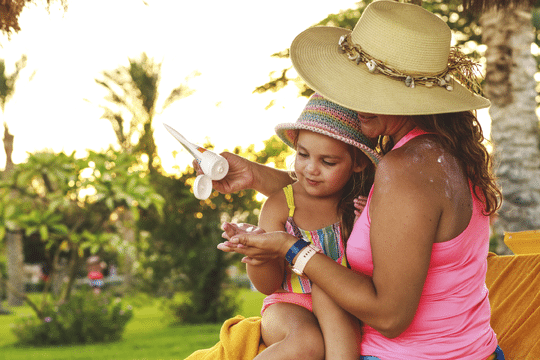
The best way to reduce sun damage is to avoid outdoor activities when UV rays are strongest — between 10 a.m. and 4 p.m. But we know that kids love being outside … so consider helping them them seek shade and dress in lightweight, long-sleeved clothing, and provide hats, and even sunglasses. Apply sunscreen generously to all exposed skin.
When can children start using sunscreen, and what should parents and caregivers look for?
Pediatricians recommend avoiding sunscreen for babies under 6 months. Instead, keep infants out of direct sunlight and dress them in protective clothing and hats. For children over 6 months, sunscreen should be used in addition to sun-protective clothing.
There are two main types of sunscreen: mineral (physical) and chemical. Mineral sunscreens, containing zinc oxide or titanium dioxide, reflect UV rays and are ideal for sensitive skin. Chemical sunscreens absorb UV rays and often go on clear. While both are effective, mineral sunscreens are generally preferred for young children and those with skin sensitivities.
Choose a sunscreen with SPF 30 or higher, and reapply every two hours. While spray sunscreens are convenient, they may not provide even coverage. Creams, sticks, and rollers are often more effective and easier to apply thoroughly.
How can parents and caregivers ensure consistent protection during swimming or sports?
For swimming or sports, use a sunscreen labeled “water-resistant” or “sweatproof.” Apply it 20–30 minutes before water exposure and reapply every two hours, or immediately after swimming or heavy sweating.
What are some common misconceptions about sunscreen?
Some parents worry about chemical sunscreen absorption into the bloodstream. While small amounts can be absorbed, no harmful effects have been proven in humans. If concerned, opt for mineral sunscreens, which are not absorbed through the skin and are considered safe for infants and children.
Content sponsored by:

Read more health articles from Kaiser Permanente.