

Leveling the Playing Field for Youth Sports
Table of Contents
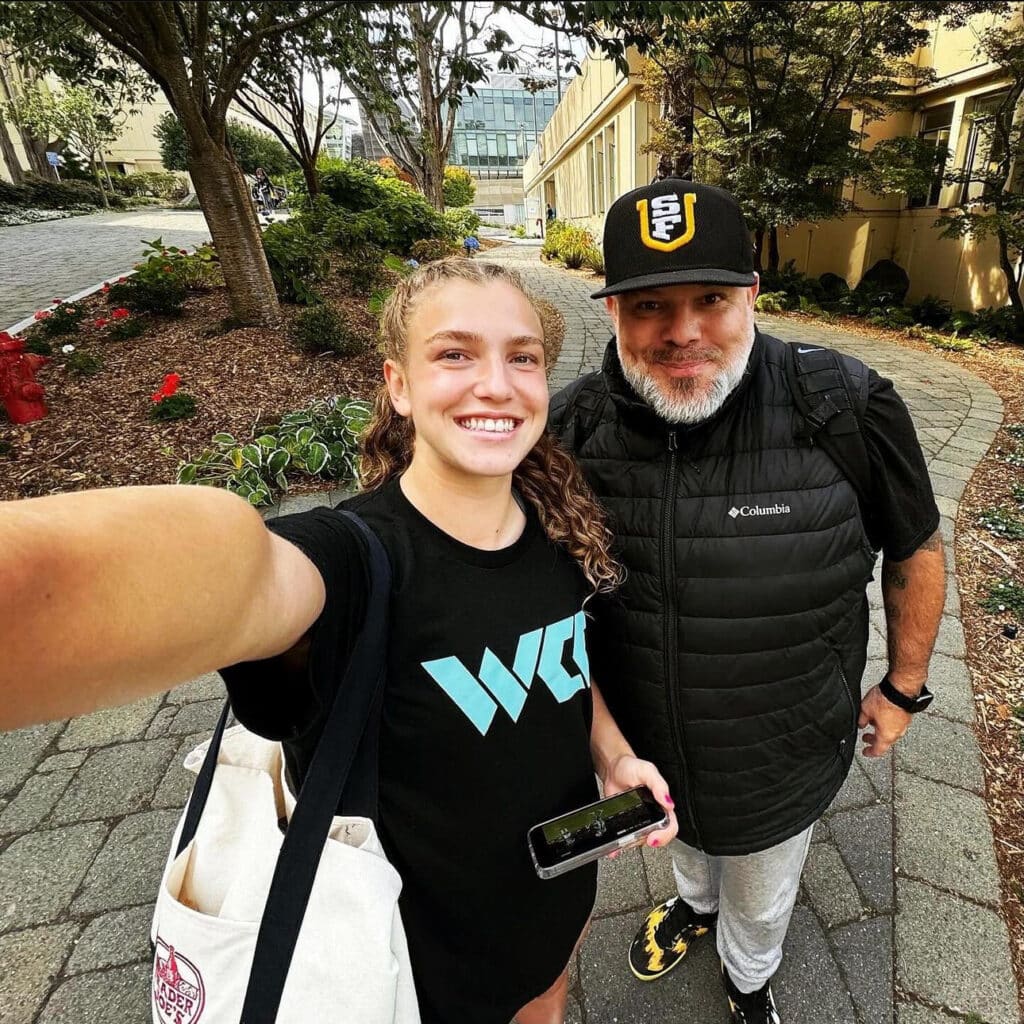
John and Leah Lukrofka celebrated as their daughter, Olivia, entered San Francisco University last fall with a scholarship to play Division I soccer. “From her first soccer game in kindergarten, she was the kid who scored ten or twelve goals,” says John. Growing up in Portland in a family of athletes, John has seen firsthand what happens when parents become too invested in their children’s athletic abilities, and he opted not to push. “We just wanted her to play and have fun with her friends,” he says.
But Olivia loved the game with an intense internal motivation, and it wasn’t long until coaches began to take note of her exceptional skills, recruiting her to more advanced teams. “If I get credit for anything,” says John, “it’s for laying off and letting her decide what level she wanted to reach.” By third grade she was playing with neighborhood club teams and by the end of middle school, she was invited to join an elite training league that traveled around the country.
Cost vs. Reward in Youth Sports Programs
Being a part of a competitive team meant working with elite trainers, opportunities to travel, incredible friendships and exposure to some of the country’s most important scouts—but it came with a steep price tag. When asked about the cost, John’s first response was a string of expletives. “Many of the families on the team were wealthy and the added expenses weren’t a problem for them. I told my wife I didn’t want to know the cost, and just to tell me if I needed to work more,” he says. “I always needed to work more,” he adds.
As a freelancer with potential for added income, their family was able to make it work, but John acknowledges that even with financial scholarships some clubs offer, the opportunity isn’t accessible to everyone. “A lot of kids aren’t able to get the same exposure because scouts don’t come to high school games; they’re coming to these elite leagues.”
And while Olivia’s story with youth sports resulted in an impressive college scholarship, most families are not getting that kind of financial return on investment.
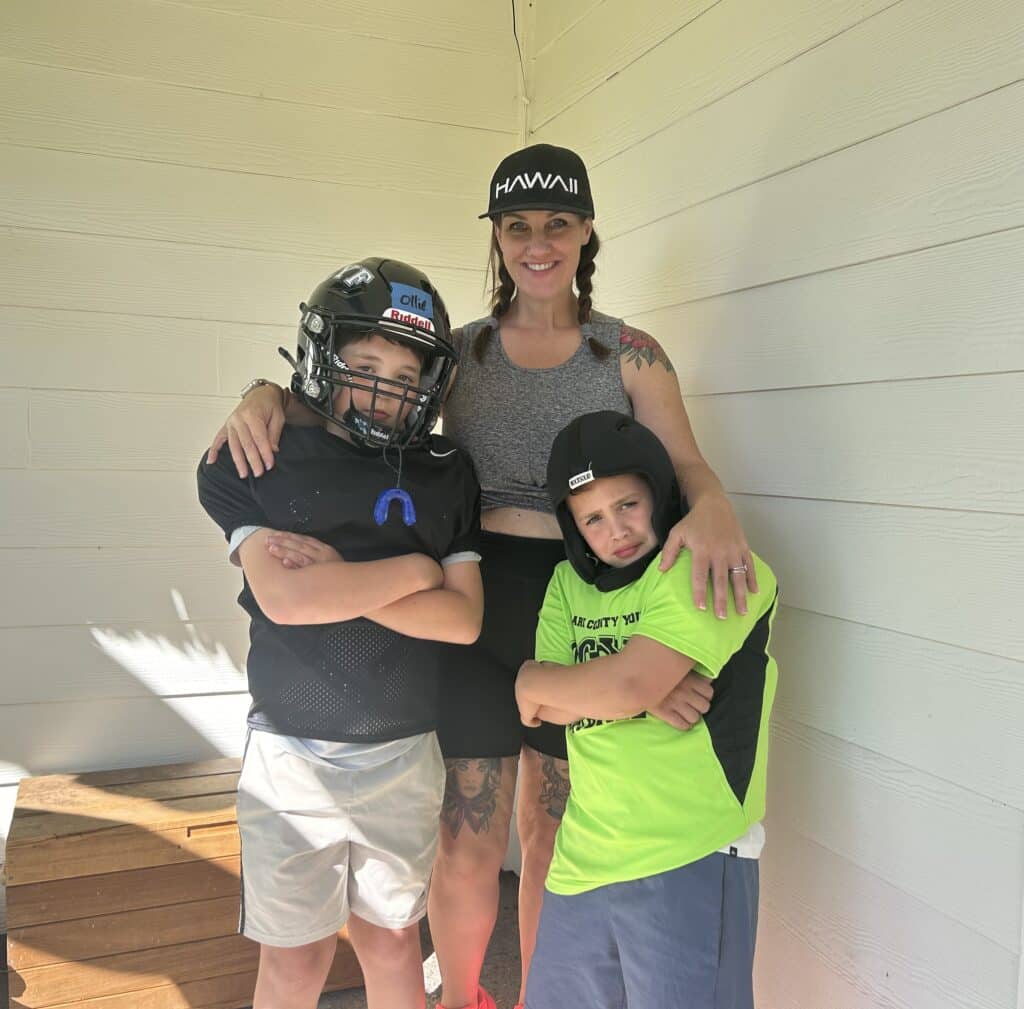
But it isn’t just exceptional athletes at intense competitive levels that are feeling the financial pressures of enrolling their children in athletics. Sara and Jan Maspaitella have three kids in elementary school, and each is enrolled in a sport this fall. “It adds up really quickly,” says Maspaitella. “For the two boys on their football teams, the registration alone was $400, but that doesn’t include the cleats, the practice jerseys, the cups or the mouthguards.” The time commitment adds up fast as well. “We know what we’re getting into; we signed up for it, but it still ends up being practices five nights a week and there’s an aggressive insistence to participate in fundraising,” Maspaitella adds.
Despite the costs and the time investment, the family loves the benefits of organized sports. “The kids make friends, they build community, they learn discipline, get exercise and learn how to be team players,” says Maspaitella, adding that she is nervous for the future. “I can’t fathom how we’re going to make it work if one of them wants to join a competitive yearlong league.”
Hidden Costs
As the money and time commitments ramp up, fewer parents are able to keep up, and many simply opt out of involving their kids in organized sports altogether. The National Survey of Children’s Health, NSCH, reported that approximately 53.8% of children are involved in organized sports, which is down from 58.4% in 2017. NSCH cites a multitude of reasons for the decline: time constraints, cost and lack of access to facilities or programs.
Chris Knoester, professor of sociology and researcher, was quoted in US News stating that “Childhood social class matters when it comes to whether you have the opportunity to participate in organized sports, something which is a relatively recent development.” Knoester’s research found that larger proportions of higher income families are making up sports leagues each year whereas in the 1950s there was almost no class difference in who played sports.
And even when parents want to provide those opportunities for their children, many are quickly finding out how unsustainable it can be.
Kelsy Lindgren, a former Vancouver resident who now lives in Spokane, wanted to support her elementary school-aged daughter when she took an interest in competitive cheerleading, but says the costs were overwhelming. “They want you involved in two different types of cheer for crowd presence and for technical skills, plus the uniform, the shoes, five potential hotel stays and additional clinics here and there,” says Lindgren. If your child shows promise, then the costs increase even more. “Our daughter could likely make an elite team next year, but we will have to opt for the junior level since multiple flights per year are not in the cards for us.”
Many parents struggle with the hidden and unexpected expenses that come along with the initial price tag of youth sports. It’s the gear that fit last year, but not for this season. It’s the team sweatshirt that isn’t required but that everyone is wearing. It’s the transportation costs of driving to and from practice and to games and tournaments, not to mention the plane tickets. It’s the team dinners and social commitments, and when did the team snacks get so out of hand? As a kid who grew up on orange slices after softball games, I was shocked the first time I attended my kindergartner’s T-ball game to see bags filled with snacks being doled out to each player.
Affordable Local Programs
But lots of people still want to involve their kids in sports, and for good reason! The physical and mental health benefits, the life lessons and the comradery add value whether our kids are athletically inclined or not. Unfortunately, the scales are tipping towards sports becoming an exclusive club that not everyone can afford to join. The good news, however, is that some organizations are spotting these trends and resolving to do something about it.
Evergreen School District, for example, decided in 2016 to eliminate all fees associated with sports and performing arts, using levy funds and school booster clubs to support students and remove any barriers that might keep an athlete from participating.
Additionally, Vancouver Parks, Recreation and Cultural Services (PRCS) has always prioritized affordable sports programs for people of all ages. Melody Burton, the department’s communication specialist, says the facilities offer classes for infants all the way up to senior citizens. She says the goal is to be as inclusive as possible for all ages and ability levels: “We have a saying in our department that inclusion means everyone plays!”
The City of Vancouver, through PRCS, works with community partners such as Skyhawks, Soccer Shots and Vancouver Volcanoes to offer more classes and clinics for the most popular youth sports. The Youth Opportunity Pass gives middle and high school students access to facilities and after-school activities at Firstenberg and Marshall Community Centers during the school year. Additionally, the department offers scholarships based on residence and household income to reduce costs by 50%. Youth in foster care automatically qualify for the scholarship, but scholarships are available for all Clark County youth and adults with cognitive or developmental disabilities.
A nonprofit organization, Kids Playing for Kids, has identified the immense costs that arise when kids have chronic illnesses or special needs. The organization is based in Arizona, but available anywhere in the US and aims to connect athletes of all abilities and offer financial support for kids who have disabilities or special needs. Janel Coughran has been involved with the organization for the past two years and loves the empathy, compassion and patience that results from kids of all abilities learning from each other and playing together. “For the kids who get financial support, so often it’s a huge sigh of relief for the families,” says Coughran.
One mother who received support from Kids Playing for Kids described the astronomical costs that usually prevented involvement in sports by saying, “It was the worst feeling as a mom to feel like you have to choose between responsible, wise financial choices for your family and your child’s mental health.”
My own children have become more involved with music and theater than sports thus far, but the one exception is spring softball my daughter plays through Vancouver Girls Softball Association. Besides the convenience of keeping games in one location, costs are kept relatively low, meaning kids of all ages and socioeconomic backgrounds are a part of the league.
Board member and 10u (age 10 and under) league coordinator for the past ten years, Ronda Swanson, says this is intentional. “We’ve always worked to keep things affordable and accessible,” she says. One of the ways they do this is by keeping the organization running with the help of volunteers who greatly support staff, keeping costs minimal. “It’s a lot of work,” she notes, “but it’s so rewarding to see what happens behind the scenes.”
While the league generates funds through the concession stand, they opted to eliminate external fundraising for parents because they wanted to remove any extra burdens. “We also offer scholarships based on financial hardships, and we can usually gift equipment because so much gear has been donated,” says Swanson. It all helps the group to achieve their mission “To foster and promote excellence at all levels of girls fastpitch.” “At every level of play,” she adds, “we want to make sure all girls have an option.”
Whether kids are picking daisies in the outfield or up before school practicing drills that will eventually earn them scholarships, youth sports have undeniable benefits. But participation on teams shouldn’t be limited to only families who are able to pay hefty fees. There are organizations out there who believe in accessibility and are leading the way, but we have a long way to go to level the playing field.
Read the Full October 2024 issue here:
Go here to read more stories about youth and local sports.