

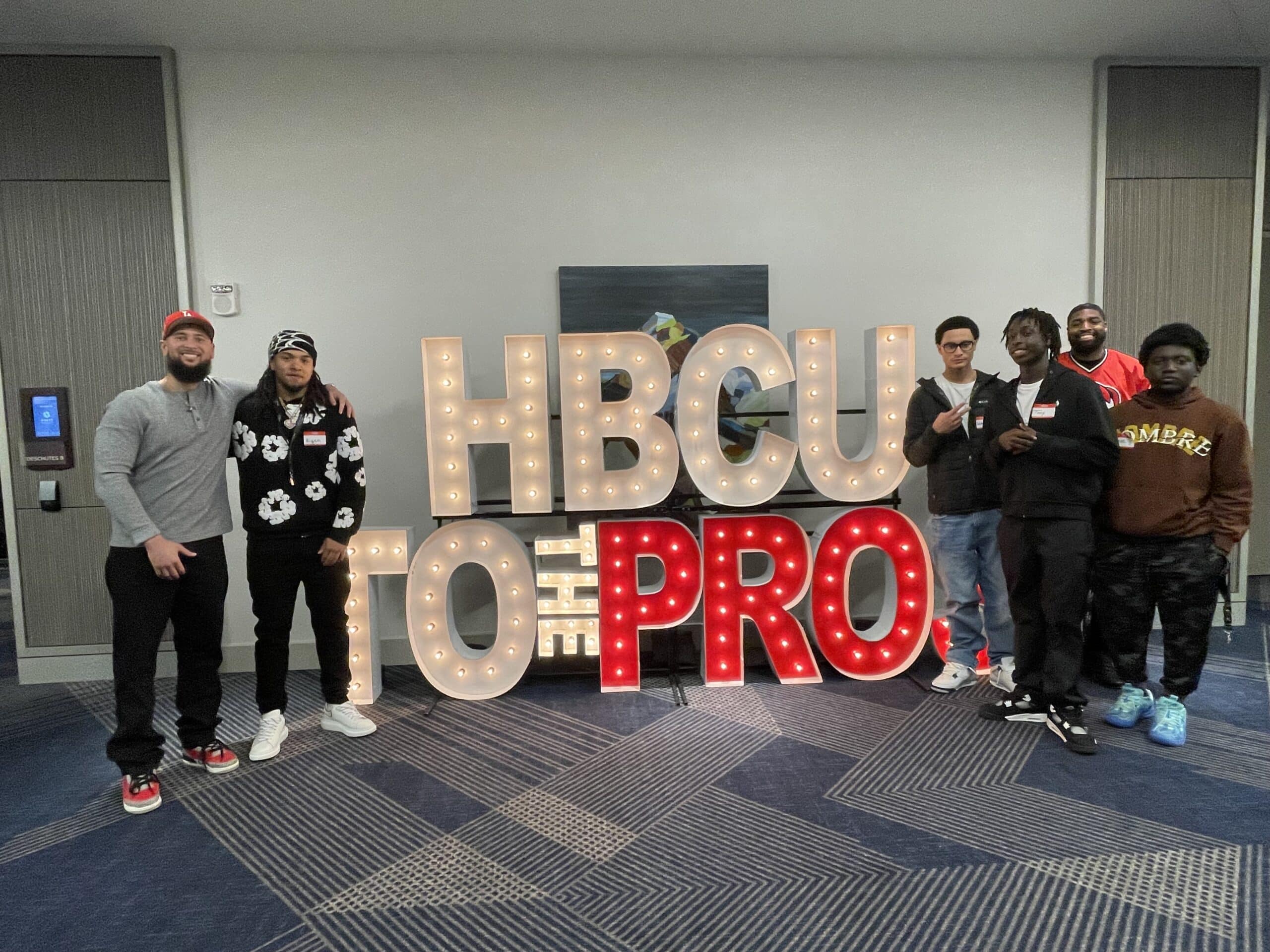
Mentorship Matters: How Southwest Washington Teen Programs Help Youth Thrive
Table of Contents
For parents of teens, the search for help can feel like screaming into the void. Parents can see that their child is struggling, maybe with school, identity, anxiety or simply finding their place in the world, but knowing where to turn for real, trustworthy support can feel impossibly overwhelming. Parents want mentors who see their children and meet them with understanding, consistency and purpose. In a world that often feels too fast, disconnected and unforgiving, finding a place where your teen can grow, feel safe and be genuinely supported shouldn’t feel like a miracle, but it often does. In Clark County, however, a few influential Southwest Washington teen programs are doing something about that.
In Clark County, a trio of grassroots organizations, Please Don’t Die Black Men (PDDBM), Boys & Girls Clubs of Southwest Washington (BGCSW) and Shifted Theory, are transforming the lives of local teens. Through mentorship, academic support and safe, culturally affirming spaces, these groups are helping young people navigate school, emotions and future careers with confidence and care.
Please Don’t Die Black Men (PDDBM) – Southwest Washington teen programs
Founded in Eugene, Oregon, Please Don’t Die Black Men (PDDBM) is more than a nonprofit—it is a movement fueled by love, justice and the urgent need for change. PDDBM was created in 2007 by executive director and Founder Ruby Lewis, who was deeply disturbed by the harmful, one-sided portrayals of Black people—especially Black men—across television, news and popular media. These portrayals ignored the richness, complexity and humanity of her community.
“It was a lot of negativity,” said Lewis. “And I wanted to provide something positive, uplifting and inspiring.”
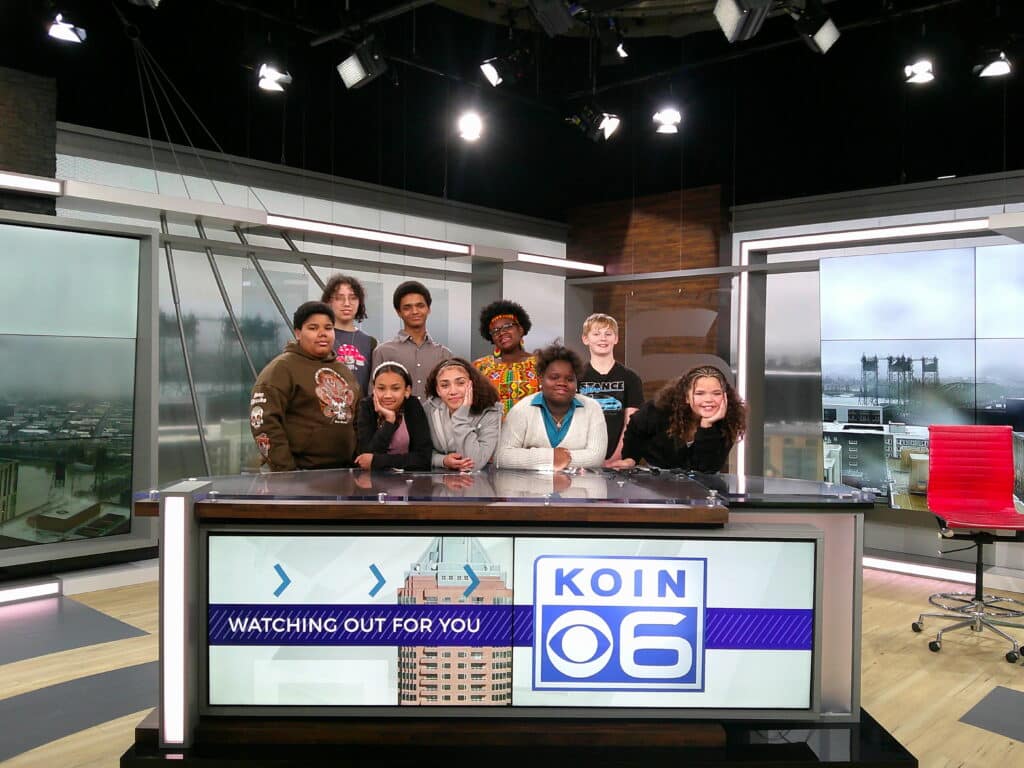
What began as a response to media injustice soon evolved into a larger mission. In 2012, while living in Henrico, VA, Lewis expanded the organization’s reach to include all African Americans, regardless of age or gender. Then in 2023, after relocating to Vancouver, WA, PDDBM officially became a nonprofit. It was there that Lewis launched the organization’s flagship initiative: free after-school programs for middle and high school students that directly confront racism and bias in the education system.
PDDBM’s free after-school programs in fashion design, filmmaking and journalism provide students with a healing-centered educational experience. These programs celebrate the unique brilliance of every student while equipping them with real-world skills—both creative and entrepreneurial. Students not only learn how to bring their artistic visions to life, but also how to monetize their work and step into leadership roles within their communities.
The after-school programs were born from personal experience. Lewis witnessed the discrimination her own daughter faced as early as kindergarten, and when she searched for programs to support her, none existed that directly challenged the root causes—implicit bias, systemic racism and microaggressions.
“I didn’t want to just help her,” explains Lewis. “I wanted to help many kids like her.”
Their talents are proudly showcased at two major annual events: the Black History Month Fashion Show in February, and the Student-Led Fashion Show and Graduation in May.
PDDBM stands as a beacon of hope and possibility—a place where Black youth are seen, heard and empowered to tell their own stories.
Boys and Girls Clubs of Southwest Washington- Southwest Washington teen programs
Melissa Ervin is someone who learned that they matter early on in their life through mentorship. She is now the club director at the Southwest Washington Boys and Girls Club Elise Menashe Teen Center.
As a member of the Boys and Girls Club as a teenager growing up in Arizona, she felt the impact in a big way. When she saw the teen club director position available in Clark County, she immediately jumped on it.
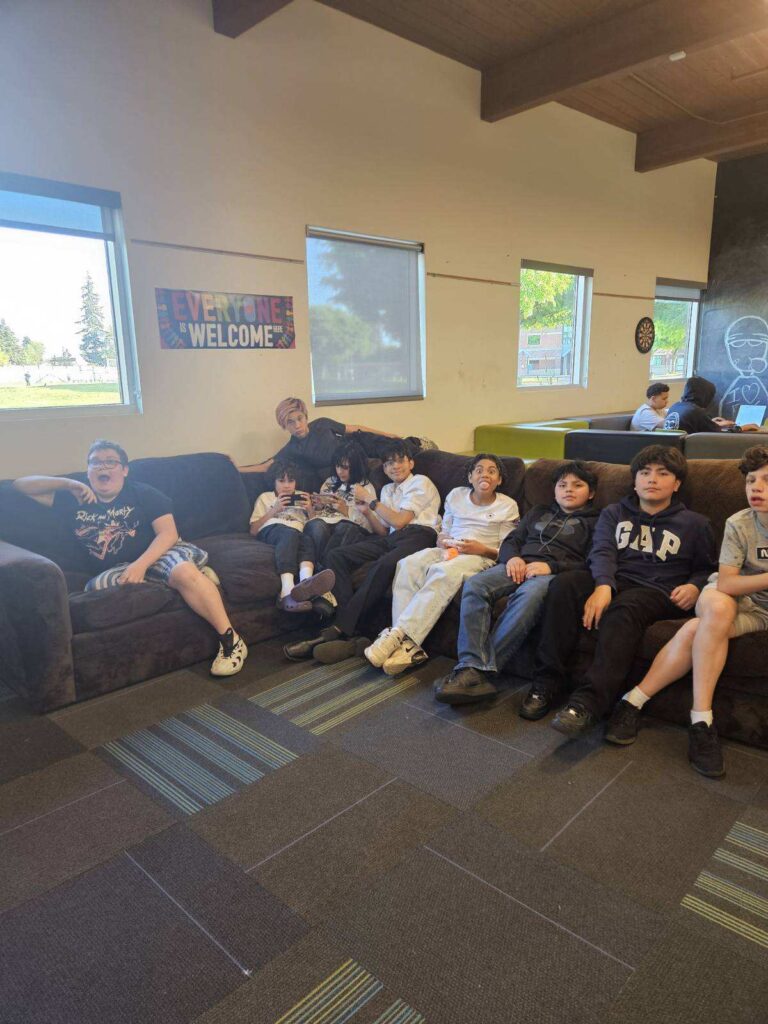
“I was really excited to be able to give back to an organization that made me who I am today,” says Ervin.
It’s the same feeling she hopes to create for teens in Southwest Washington.
During the summer, the SWWA Boys and Girls Club holds programs from 7:30 am to 5:30 pm in the gym, games room, tech room and art and education room, focusing on college and career prep programs. The club also has an outreach program to serve teenagers and young adults, which does intervention and prevention work for teens and young adults impacted by group violence in the community.
The SWWA Boys and Girls Club offers a snack every day after school and a club dinner every night of the week. At the club dinner, everyone prepares and makes the food, and gets to sit down as a group to socialize and eat.
According to Ervin, the Elise Menashe Teen Center attendance has increased quite drastically this school year, and it’s getting harder and harder to get the kids to leave at the end of the day.
“We have so many teens who will make their parents wait five more minutes so they can stay as long as possible. Our parents have been really great about it, and I think they are happy to see that their kids are happy and socializing and getting opportunities to do arts and crafts or play in a gym.”
Ervin believes that one of the Elise Menashe Teen Center’s huge successes is that teens can make friends with people outside of their school and maintain those friendships at the Boys and Girls Club.
“It brings a sense of safety and belonging that I think every teen needs. Then, they have all of our staff members who mentor them. They can go to school and then get guidance from us on some things they may not want to talk to teachers or parents about.”
Primarily funded by grants and donations, the SWWA Boys and Girls Club holds annual fundraising events and accepts individual donors who want to pay for other teens’ memberships. The organization can also waive membership fees to ensure that teens and younger kids come through the doors and stay there without hitting a financial barrier.
Shifted Theory – Southwest Washington teen programs
Rashan Williams is another person who learned early about the power of mentorship. He vividly remembers his mentor asking him what he wanted to do with his life. Williams asked his mentor about what majors he should consider and how to transfer from a community college, and that person helped him sort through his passions.
As a child of a father who was incarcerated, this type of information was not passed down to him from a parent, and without the help of his mentor, it might have evaded him his whole life, but the helpful life lessons had a significant impact. Williams began to advocate for kids who had parents in the prison system, but he soon learned that kids in two-parent households were slipping through the cracks as well.
Williams also saw that many young men relied on sports as a way forward in life, but that, with one injury or the lack of a scholarship, their entire lives were disrupted and often went off course.
“Just knowing that there’s a ton of kids who, with just one mentor or one positive person in their life, could do so many good things in their community,” explains Williams.
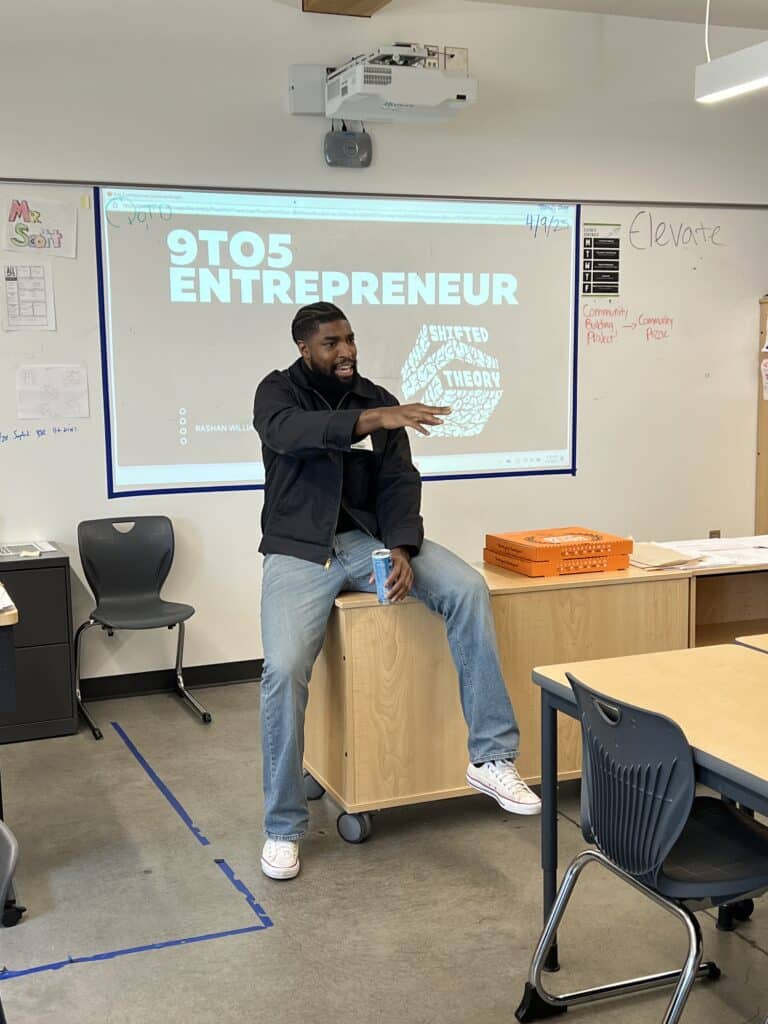
After completing his education, Williams began working as a student engagement specialist for Evergreen and Portland Public Schools. He noticed that some of the kids were having behavioral issues, and after trying everything, he requested small groups to help meet some of the challenges that these students were facing. These small groups worked, and after he left the public school system, he created Shifted Theory, a group dedicated to providing youth mentoring to at-risk children in Clark County. Soon, Shifted Theory became a community partner for the Evergreen Public Schools.
Williams warns that mentorship is sometimes a long game, and behavioral problems will not correct themselves overnight, but the effort is worth the wait. He has seen kids he has mentored graduate from high school, go on to college and, for some, start and thrive in the start-up of their small businesses.
However, career success aside, he is most proud of the responsible adults these teens have grown into. Williams recalls one student, Felix, whom he mentored through middle school and high school. Felix is in college now and has created his own clothing brand, which was even covered by The Columbian. Felix has returned to Shifted Theory to host a workshop on creating a screen-printing business, covering the cost of the materials, how much a person could make and how to develop and grow a business.
“I have seen an understanding of how we should conduct ourselves and how to change up ideas people previously put on them. I think we’re still just watching that journey unfold,” says Williams.
At Shifted Theory, parents hoping to connect their teen with the program will get a tour of the facility. If they like what they see, they will get a referral link from Williams, who will explain how the mentorship workshops are run. Some previous workshops included financial literacy, eating on a budget, managing career paths, goal setting and creating vision boards, funded by the Community Foundation for Southwest Washington. Shifted Theory also receives funding by renting its space to local weekend events. Having Shifted Theory as an event space also benefits the kids in the program because they can get two hours free of the event space for their birthday or graduation parties.
Regardless of the workshop topic, Shifted Theory provides a safe place where kids can eat, wash their clothes, play games, read and get mentorship from some of the older teens and interns. This provides positive peer-to-peer interaction and peer pressure, leading teens in the right direction.
“We’re just helping youth get to the next level, wherever that is in their life, and wherever they’re looking to go, we’re just supporting them,” says Williams.
Despite each organization’s unique approach, the goal remains to create safe and supportive spaces where teens can grow, learn and thrive, and continue to lay a foundation for a more equitable and empowered future for Clark County’s youth.
As these organizations continue to grow, their impact will be felt throughout the community. Their work will be a ripple effect and a testament to the power of mentorship led by community members who offer their unwavering support and dedication.
They may not know it yet, but these community members are changing the very fabric of the lives of the people living in Clark County.
Featured image by Alondra Viveros
Read more articles about how teens thrive in Southwest Washington.
Read the Full July 2025 Issue Here