
Get Hooked: Fishing in Clark County
Table of Contents
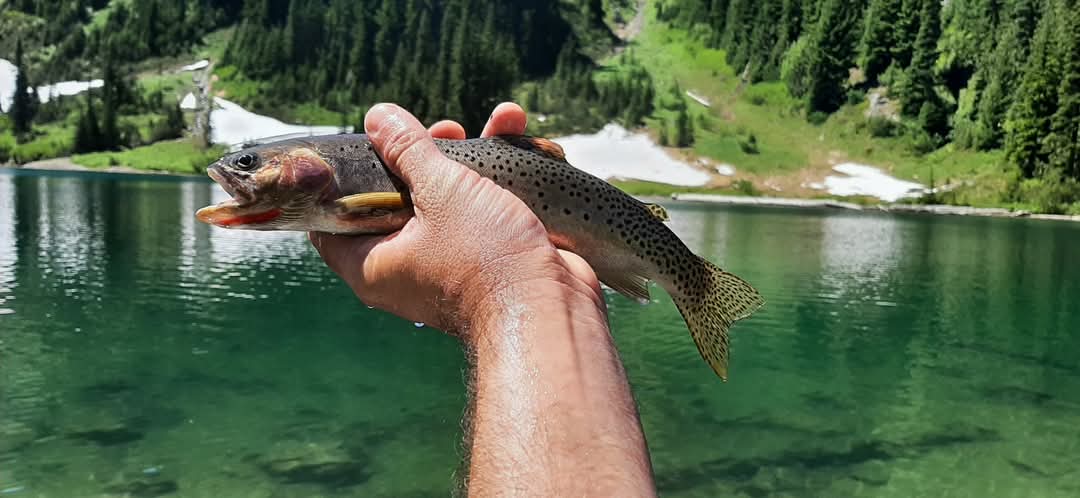
When I was a kid, my parents used to take my brother and me to picnic at a lake in the mountains near our home. One of these times, when I was about 4 years old, I found some abandoned fishing line on the trail with a small hook still tied to it. I asked my dad to tie it to a stick, then I sat down on the boardwalk with the string in the water, mimicking the real fisherman.
Suddenly, the line on my stick grew taut. Thinking it was caught on the underside of the boardwalk, I pulled and pulled. Another fisherman standing nearby alerted my parents, who promptly grabbed my “rod” (which had almost snapped by that time) and pulled up a large trout!
My dad loves to tell this story, and he even kept the stick as a memento. Somehow, even without bait or an actual rod, I had caught the biggest fish of the day, showing that it doesn’t take a lot of expensive gear to catch a fish.
Fishing as a hobby has been popular for generations, and here in the Pacific Northwest, fishing grounds for beginners and professionals alike abound. The fishing tourism industry continues to boom, with people coming from all over to catch salmon, sturgeon and other fish from our beautiful lakes and rivers. While some hire a fishing guide for their expertise, anyone can get started with just a few beginner supplies. And for families, it’s a great way to get everyone outside enjoying nature.
A Family Affair
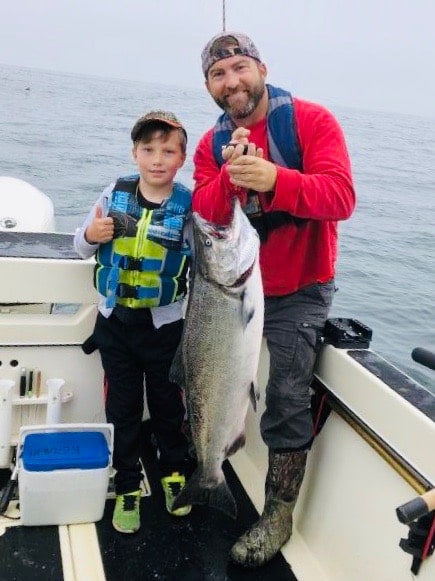
Every year during Brett Andre’s childhood, his extended family would come all the way from Nebraska and camp at Fort Stevens to fish the Buoy 10 salmon run, an annual fishing event that takes place at the mouth of the Columbia River in Oregon. As a young boy he loved it because there were plenty of cousins, aunts and uncles to spend time with, in addition to the great fishing.
Keeping the tradition alive, Andre began taking his own two boys fishing, both on the ocean and in nearby lakes, by the time they could walk. They could nap on the boat and sometimes even wake up to see dolphins, whales and sharks. Now age 15, his oldest son Beau can’t get enough of it. “I love to hear the reel scream when the fish is running because it’s just so awesome!” he says. “It just wakes you up and it’s loud and you can tell when the fish is trying hard.”
And though the hope for actually catching a fish is what draws them to the water, what Beau really looks forward to is the time he gets with his family. “It’s just being out there with my dad and my grandpa out on the boat . . . I just love it because it’s amazing that I’m able to have that treat and spend time with my family in that way . . . You get to hear old stories too, how fishing was back when my dad was younger.”
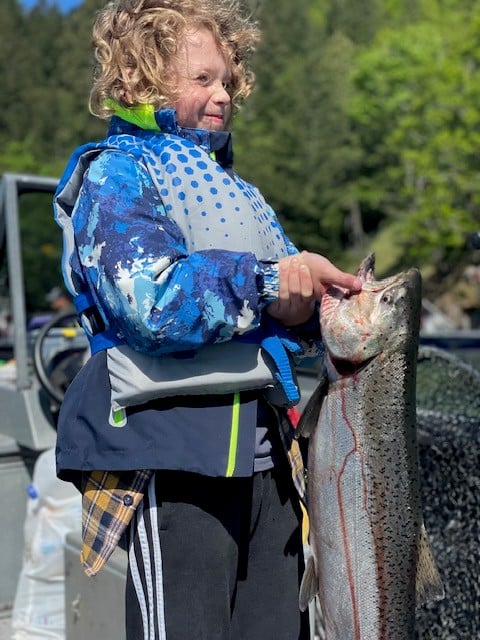
Erin Darfler of Salmon Creek has always made sure her boys had plenty of time outdoors, too. The first time she took her oldest son, Niko, fishing, he was only 2 years old, and after just a few experiences, he was hooked. “This has been his only obsession or phase,” says Darfler. “He never got into trains or trucks or other things.”
Now 10 years old, Niko’s lunch box, backpack and T-shirts all reflect his passion for fishing. He even asks for charter fishing trips over birthday parties. Darfler’s favorite fishing memory was during a trip to Florida. “He had to reel in the fish and then pull it up the pier,” she shares, explaining that the pier was fairly high above the water. “It was a pretty good battle for him and his little body at the time.” As he fought the sheepshead, Niko was determined not to let it go, and Darfler did not step in to help. When he finally pulled it up, people on the pier who had been watching all cheered and clapped for him.
Getting Hooked
Some may think that taking a young child fishing may not be the best activity since fishing involves a lot patience and fine motor skills, and oftentimes you come home empty-handed. In reality, the opposite is true; there is a lot for kids to do while fishing! “The best entertainment is just teaching, and there’s so much to see outside,” says Andre. He never brought screens along to keep his boys busy. “I would encourage people not to entertain [kids] with something else. I would say keep them involved in the process. Let them select lures, watch the water and the currents. Just teach and talk with them.”
Darfler likes to fish in local lakes and rivers. And though her younger son, Grayson, isn’t as obsessed as Niko quite yet, he still loves coming with his family, making his own fun digging and playing on the shore. When asked if they’re ever disappointed on days the fish don’t bite, Darfler says, “I think yes and no. He enjoys being out there so much and that’s just how it goes sometimes.” When I asked Niko about getting skunked, he shared stories of the ones who got away with just as much excitement as the ones he’d caught, “because fighting the fish is the best part!”
Getting Started
Both Beau and Niko told me that fishing does take a lot of practice to learn to cast and to take care of your rod and reel, so it’s good to start off simple. “If you have kids that want to fish but you don’t want to travel very far, all you got to do is get small hooks and some bread and go down to Klineline Pond,” says Beau, adding, “The earlier you start the better. After you get used to the small ponds and they like catching the bluegill and rainbow trout, you just move up progressively, as long as you go out consistently for kids to keep getting the repetition.”
Like his dad has said, “You can’t catch anything if you’re not on the water.” Starting young has definitely paid off for Andre. Now that Beau is older, he can clean the fish with a friend while Andre cleans the boat.
In addition to Klineline Pond, there are other easy-to-access fishing spots, perfect for younger kids. Washougal River Greenway, Frenchman’s Bar, and Horseshoe, Battle Ground and Lacamas Lakes all have beautiful trails and/or playgrounds where you can bring along bikes or binoculars to add variety to the outing. Goose, Merwin and Yale lakes are also regularly stocked and have camping opportunities nearby. On slow days, Beau recommends looking for crawfish, saying, “Anywhere down where there’s rock, there’s going to be crawfish.”
Before heading out, though, it’s important to have a plan and understand fishing regulations thoroughly. Rules can change daily, so the easiest way to stay up to date is Washington Department of Fish and Wildlife’s (WDFW)’s Fish Washington mobile app. In addition to regulations and emergency rules, the app includes a thorough map of fishing spots across Washington with species listed at each location. Additionally, it includes helpful how-to videos and links to purchase fishing licenses. Children under age 15 can fish without a license but do require a free catch card to catch salmon, steelhead, sturgeon, halibut and Dungeness crab.
If you feel overwhelmed walking into a tackle store, the best thing to do is just ask for help. Once you have a few basic lures and weights, you can adjust them to the location you are fishing. Online tutorials for knot tying can be especially helpful. Local company, Addicted (formerly known as Fishing Addicts NW), runs a YouTube channel with many videos for people just getting started and most are filmed right here in Washington or Oregon. Many even feature cleaning and cooking tips. Darfler recommends that families who are new to fishing remember that, “There are so many ways to fish—if you don’t like one way, try another.”
Angler Associations
For those who want to collaborate with other fishmen, local angler associations provide a place to get to know people who have lots of experience. Some associations will focus on either a type of fishing (like fly fishing), or a specific species (like bass), while others have a broader focus, such as the Southwest Washington Anglers Association. Part of their mission is to educate and support community organizations that help kids learn to fish like Klineline Kids Fishing, a fishing derby held every spring at Klineline Pond.
At meetings they discuss new regulations, safety practices and plan outings together, all while sharing stories of success, failure and luck. While visiting one of these meetings recently myself, I saw one newly single mom who came hoping to find help in getting her kids into fishing. In just a few minutes, she found multiple adopted “grandpas” happy to show them the ropes.
How Hatcheries Help
Adam Sullivan, fish hatchery specialist at Columbia Springs, also grew up fishing with his dad. He says that “hooking salmon in Lake Michigan tributaries and catching carp on bread balls” absolutely influenced his decision to seek employment in fisheries. It also helped him overcome squeamishness. (If you attend the Klineline Kids Fishing derby, you’ll find him at the fish cleaning tables.) Previously, Sullivan worked for a large commercial fishery in Alaska, but now enjoys Vancouver for our temperate winters which allow for year-round fishing opportunities. He especially likes working at Columbia Springs because, “As a grow out facility, releasing catchable size fish, it is easier to interact with people enjoying them and see an immediate benefit.”
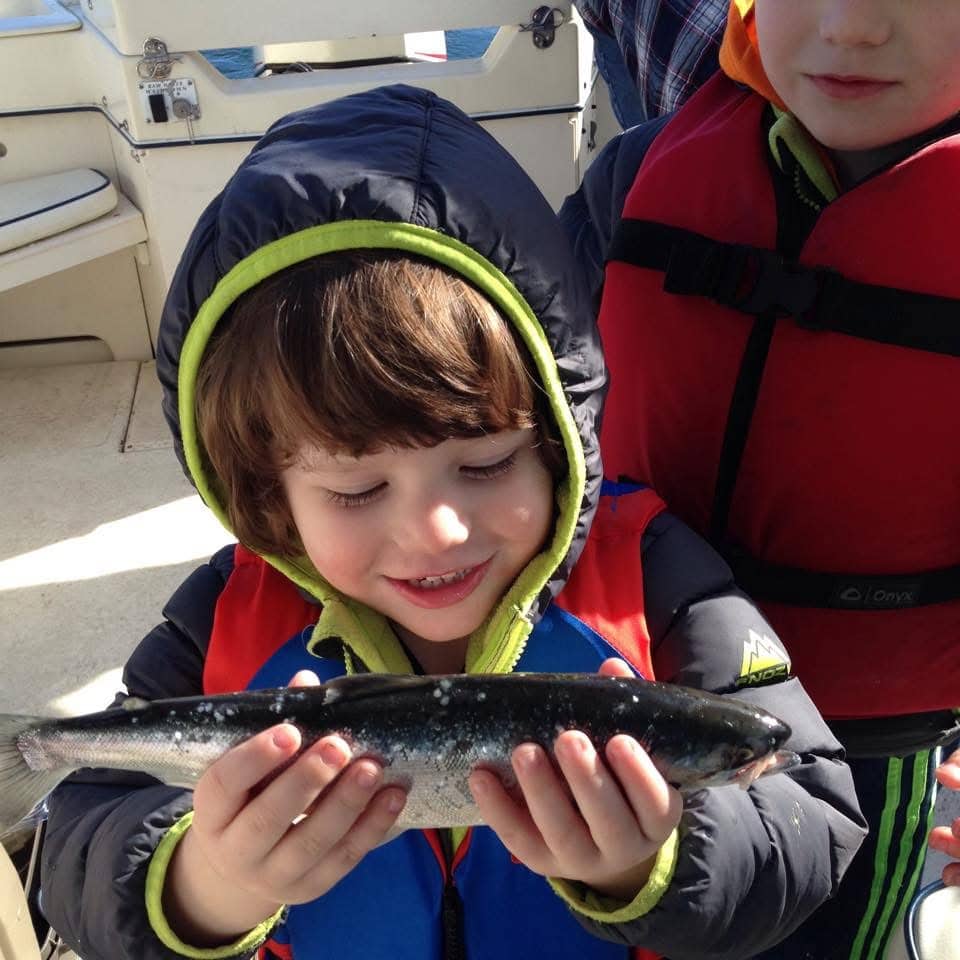
Without hatcheries, recreational fishing could not exist as it does today. WDFW’s stated mission is to “preserve, protect and perpetuate fish, wildlife and ecosystems.” Sullivan explains, “Habitat loss and human use, beyond natural regeneration, are why hatcheries are necessary. Supporting protected species and fulfilling tribal partnership responsibilities are also a key role that hatcheries play.”
Sullivan and his team release fish, once they are mature, into bodies of water throughout Clark and Skamania Counties. The local hatcheries work together to maximize their production. Stocking numbers at each location with dates can be found on the WDFW website. Sullivan wants aspiring Clark County fishermen to know, “Regulations are set with both resources and fishers in mind. It is important to consider the future of the resource and the environment while enjoying it. Even if visiting your usual location, it is always best to check for any updates.”
Not every fisherman goes out to find their next meal; many fish just for the fun of it. For example, carp are unpopular as a food fish, but according to Sullivan “are a thrill to catch” and can be found in Vancouver Lake. He teaches visitors of Columbia Springs about want versus waste, and that, “If the hook is lost, especially with trout, it’s more ethical to keep the fish.” He strongly recommends bringing a net to prevent fish being dragged across any rocks near the shore as you reel in, which gives them a higher chance of survival if you choose to release it.
Wholesome and Healthy Habits
Fish might be one of the healthiest foods to eat, but as an activity, fishing also has a multitude of benefits. It is a way to practice mental focus, perseverance and especially patience with a specific goal in mind. And the waiting is worth it, says Sullivan. “I enjoy the meditative aspect and problem solving. Fighting a large fish can be quite the adrenaline rush, especially after the quiet time spent seeking the bite.”
The ups and downs (and surprises) of fishing reflect the ups and downs of life. Darfler told me she’s watched Niko’s confidence grow through planning and trying new tactics. Learning to adapt when things don’t go as planned and knowing you can always try again the next day are life lessons she hopes will stick to both her sons.
So, whether you decide to catch and release or catch to eat, your family is certain to receive more than just a fish.
Read the full March 2025 issue here:
More about Fishing in Clark County
Columbia Basin Dart Count Data
Washington Department of Fish & Wildlife Fish Stocking Reports
Beginner Help: Take Me Fishing
Addicted Fishing Video:
Kids Fishing Events
Klineline Kids Fishing is a local nonprofit dedicated to helping children, including those with disabilities, learn the basics of fishing. Each spring, they host a derby where every child registered gets a free fishing pole and prizes are awarded for the biggest fishes caught. This year’s derby will be held April 11-12, 2025 at Klineline Pond, and is a great place for families to get started. Learn more at klineline-kf.org.
Columbia Springs will also hold its annual Kids Fishing Fest May 17, 2025.
Fishing Associations
Southwest Washington Anglers
Clark-Skamania Flyfishers
Salmon Creek Flyfishers
Lower Columbia Walleye Club
Vancouver Wildlife League
Coastal Conservation Association
Columbia River chapter of Northwest Steelheaders
Oregon Bass and Panfish Club
Read more of our recent posts:
-
Summer Fun is Still Here! Nike Kids Camps Still Have Openings Throughout the Summer
Learn more about Nike Kids Camp sessions, with additional camps opening throughout the summer.
-
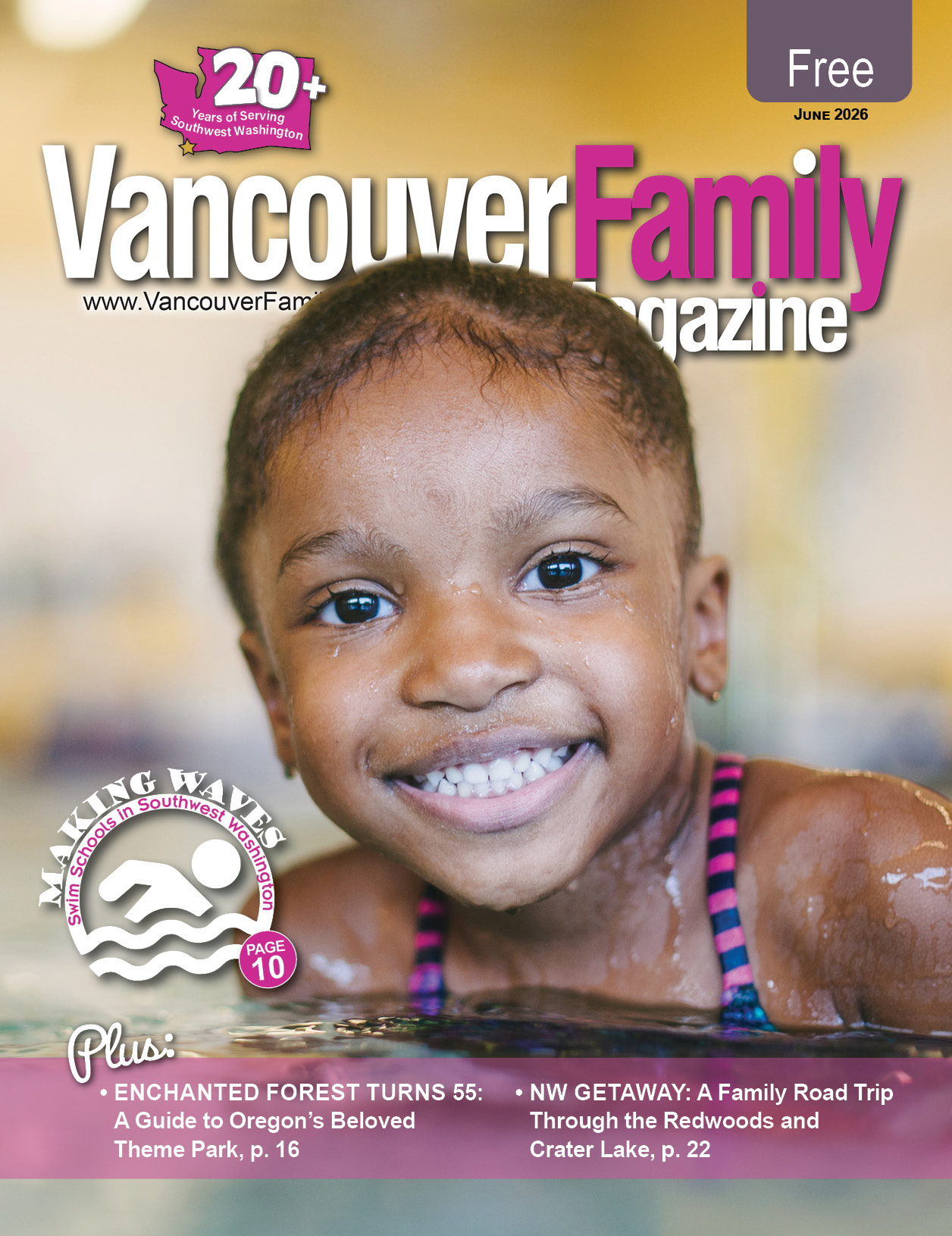
Read Now: Vancouver Family Magazine June 2026 Issue
Swim Schools in Southwest Washington | Enchanted Forest Turns 55 | NW Getaway: Family Road Trip through the Redwoods and Crater Lake
-
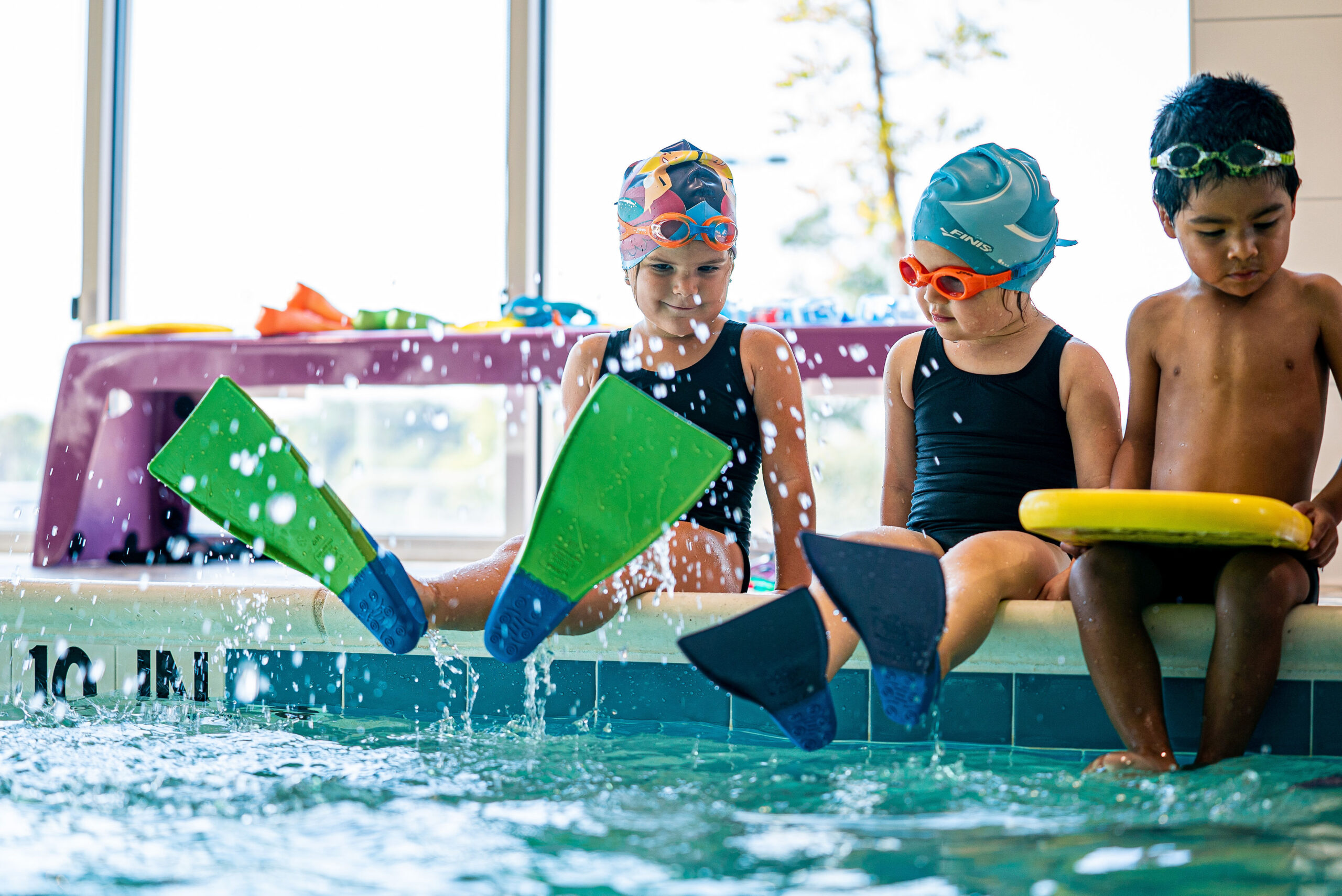
Making Waves: A Guide to Southwest Washington Swim Schools
Local swim schools across Southwest Washington help kids build confidence, skills and a lifelong respect for the water. Read our guide to programs designed for every age and stage.