

Go Terriers! All Signs Point to Belonging and Opportunity at Washington School for the Deaf
Jump to Section
Shortly after Lefawne Robinson’s second child, Julian, was born, she discovered he was profoundly Deaf. The day of his diagnosis, the family was presented with a few different options to move forward: A program called Listen and Talk, where the focus is on the child learning how to talk, HSDC where American Sign Language (ASL) is learned and language is established, or a SEE sign program which is a system of communication using sing language that is an exact representation of English. The Robinsons weighed their options carefully as they looked into each of these modalities and opportunities.
As in Julian’s family, 95% of Deaf babies are born to hearing parents, many of whom have never met a Deaf person before. Doctors usually begin the conversation of informing a family their child is hard of hearing with an, “I’m so sorry, but. . .” This negative phrasing can push families toward seeking a “cure.”
“When the journey for many parents begins, they are inundated with information, but sometimes given very little guidance,” explained Shauna Bilyeu, interim executive director for the Center of Deaf and Hard of Hearing Youth at Washington School for the Deaf (WSD) in Vancouver. “Most of the time parents are given the medical perspective first: audiology tests, hearing aids, cochlear implants, speech tests, specialists. It all comes from a medical orientation and can be very frightening for new parents . . . They worry that their child’s future is a big dark question mark.”
In all children, the most rapid brain development happens in the first few years of life. Even before a child is born, language cognition begins to form, and from the moment they are born they begin to acquire language through listening and interacting with others. For Deaf and/or hard of hearing children, there are different strategies to help them begin to access language. “It is critical that we start that language connection as soon as possible to make up for that lost time,” explained Bilyeu “Research also shows that it doesn’t matter how the language gets to the brain [whether signed or spoken] for the neural connections to form.”
After researching how best to support their Deaf son, the Robinsons ultimately decided to go with HSDC, with the goal of providing Julian a solid foundation of language and Deaf culture. They were immediately connected with a parent-infant language specialist from the Hearing Speech and Deaf Center who came to their house weekly, along with the family’s visits to the center for more support.
Robinson explained to me how her world was totally opened up when they welcomed the specialist, who was Deaf herself, into their home near Seattle. She slowly taught all the Robinsons sign language. Each time she came, she brought new information and helped them to see things through Julian’s perspective. “[She] became part of our family. I enjoyed when she had dinners with us; we learned so much about manners, food, [and] conversations at the dinner table,” recalled Robinson.
Educational Opportunities at Washington School for the Deaf
When he was old enough to go to school, Julian attended Bow Lake Elementary in Seattle, which had a small program for students who were Deaf and hard of hearing. “Julian’s first couple of years at Bow Lake were really great for him,” said Robinson. “There was an abundance of children in the program, his teacher that had been teaching Deaf students for over 30 years was great and there were plenty of interpreters.
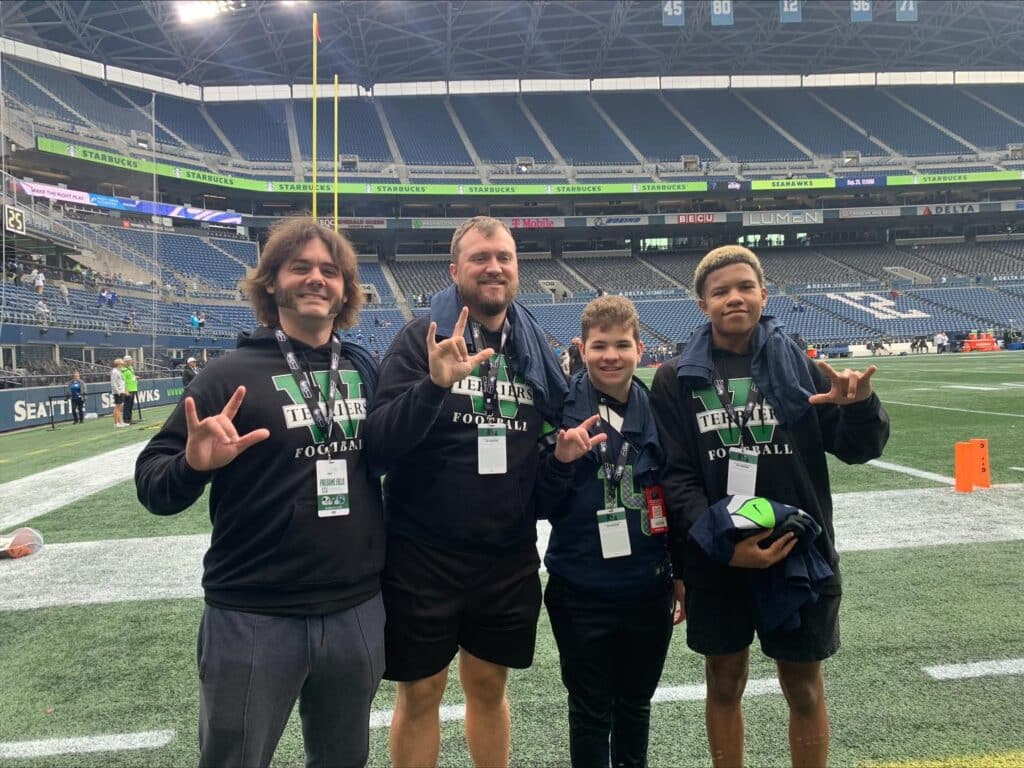
However, that teacher retired, students came and went, and although there were still amazing teachers and interpreters at this school, they were spread thin and Julian was left without interpreters/friends during recess, lunch and sometimes in classes like PE and music. ”Julian remembered, “I would struggle to be equal, and I didn’t find friends.” This is common for Deaf children because spontaneous language happens all the time, but the interpreter is normally only focused on the teacher and the lesson.
Robinson remembers one day when Julian was about 7 years old, her older son, Tre, noticed that Julian had come home especially frustrated with school. He told his mom that whatever needed to happen to help Julian, they should do it. So, the Robinsons took a trip from Seattle to Vancouver to visit Washington School for the Deaf.
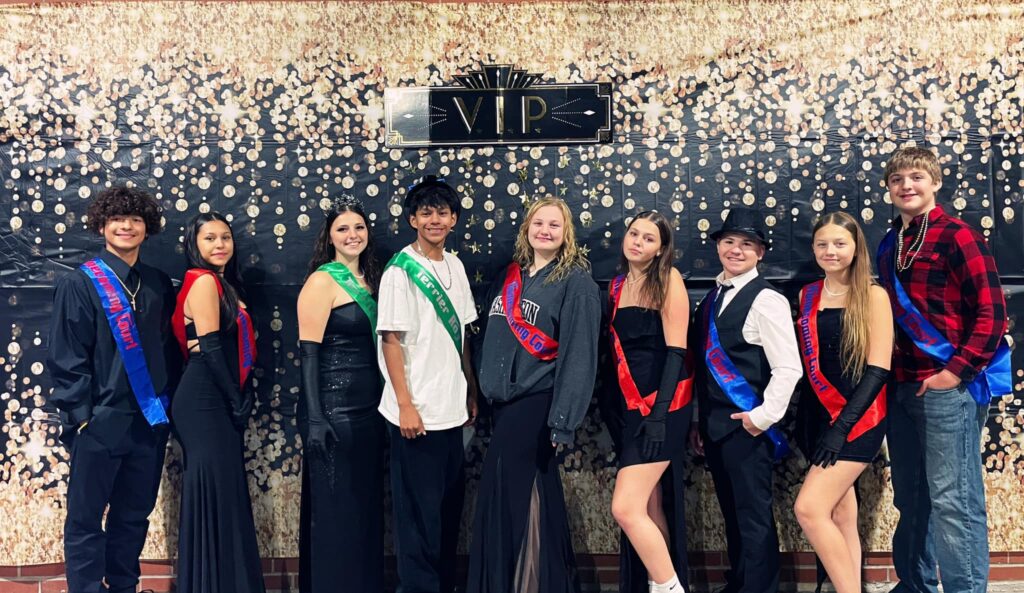
When they arrived, the building was decorated for spirit week; cheerleaders were at the football game and lots of activities were going on. With everyone using sign language, “lunch time and recess was so inclusive,” remembered Robinson. “Julian was able to hang out, communicate, and play/eat with anyone he decided to. He did not have that opportunity at his mainstream school.” They immediately knew there was something special about WSD and that Julian belonged there.
Like Washington State School for the Blind just a little over a mile away, WSD is a residential school where students who live an hour or more away from the school can stay in on-campus cottages during the week, then return to their families each weekend. Of the 128 preschool-12th grade students, 46 currently live on campus. The Robinsons were lucky to have jobs that transferred to the Portland metro area, making it easier to move as a family. Even though Tre was just beginning high school, he was happy to switch schools for the sake of his brother.
Some families with hard of hearing students are not aware of the programs offered by Washington School for the Deaf. Bilyeu told me that even some special education directors who call for information are mistakenly under the impression that there is a fee to attend. As a public school, Washington School for the Deaf is free to any student who is Deaf or hard of hearing and lives in the state of Washington. They do not need an IEP (individual education plan).
Students who live on campus participate in a variety of after school activities and have extra help from student life counselors (SLCs), most of whom are also Deaf. “SLCs serve as Deaf adult role models to our students,” shared Bilyeu. “SLCs often provide the incidental learning that happens just from kids watching staff talk to each other about their daily lives. The students have language access from the minute they arrive on campus to the minute they leave in a way that many of them don’t when they are at home.”
Additionally, the cottages themselves are designed to be “Deaf centric.” For example, skylights in the living area bring in natural light for better visual communication, and hallways are wide with rounded corners so those using sign language can stay next to each other while walking around, keeping their communication uninterrupted by space constraints.

As an ASL-English bilingual school, the WSD mode of instruction is through American Sign Language (ASL) and all teachers have a master’s level special endorsement in Deaf education. Many assessments are given through sign language because English is a second language to those who are born Deaf. “Spoken language is only taught if it is on a student’s IEP,” said Bilyeu, adding, “Students are not banned from using speech on WSD campus; however, everyone is asked to sign as much as possible so that everyone has access.”
Bilyeu also told me that finding qualified teachers can be a challenge, so they are “growing their own,” sometimes by training former students and helping them get the needed credentials for teaching. “Southwest Washington and the greater Portland metropolitan area have a higher than usual number of Deaf and hard of hearing citizens because of the school. Many Deaf call the school ‘home’ and stay close, because it is where they experience a sense of belonging and family in a small, but tight-knit community.”
Deep History and Celebrated Culture
When I met Julian at the WSD homecoming football game against Clallam Bay High School, I asked him what would surprise me when I planned to visit his school the next day. He told me that the school would be loud because most of the students don’t realize when they are making sound and no one tells them to be quiet.
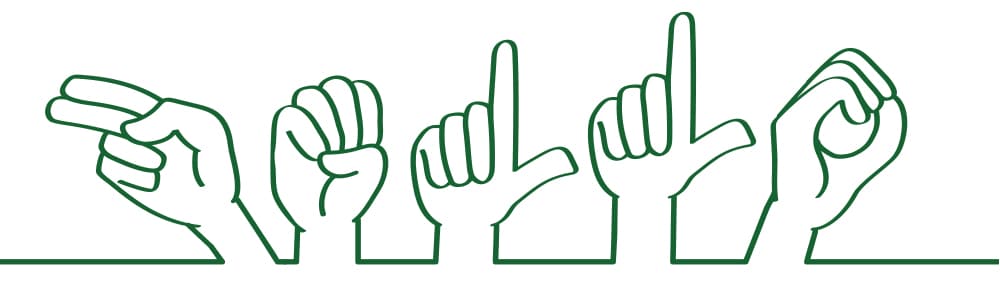
As I watched the student of the month assembly, I noticed artwork depicting the ASL sign for applause all around the auditorium. When I told Bilyeu I thought that was a nice touch, she proudly walked me toward a hall of mixed media student artwork called De’Via, or Deaf View Image Art.
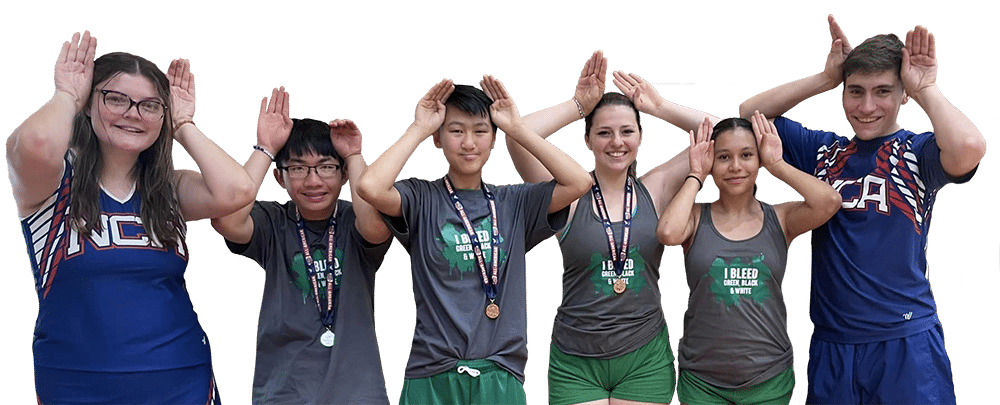
Each piece depicted something about the Deaf experience, but a special one stood out of the WSD mascot—a Terrier with ears that look like hands. I later learned the WSD mascot was chosen after students (many years ago) snuck a terrier into what was then the dormitories. When the dog was discovered, the superintendent adopted him and brought him to campus regularly. Bilyeu told me it’s a fitting mascot because, “We may be small, but we are fierce, just like the Terrier.”
On my tour of the school, it was especially fun to watch a gym class for kindergarten and first grade students who were enjoying playing games in the gym. As an educator myself, I instantly wondered how the teacher would get their attention when class time was over. At my school, I use a whistle, but even then, gathering a large group of young students is challenging; I normally have to call their names multiple times.
When I asked the teacher about his strategy, he pointed to a large drum and invited me to bang it with a mallet. I apparently didn’t hit the drum hard enough because only a few students paused. He then told me to cover my ears while he really gave the drum a bang. Instantly, the children stopped to look at him because the vibration had reached across the large gym.
Observing young students in art class and high school students in biology, what stood out to me was that absolutely nothing was different from a regular school, other than the teacher was using their hands to communicate. It was then I understood that in a mainstream school, these students would be identified by a “disability,” but at Washington School for the Deaf that “disability” disappears.
Bilyeu later showed me a special room where the history of WSD is kept. Old projectors, letterman jackets and trophies are on display. Many Deaf students don’t have the opportunity to participate in sports before coming to WSD because the rules aren’t explained clearly to them. WSD has varsity teams in volleyball, football, cross country, basketball, track and cheerleading. “Once you know the rules, then you can play,” she said.
When the school was established in 1886, students were labeled “defective” and taught basic skills like sewing. At one time, using sign language on campus was banned, but students still used their own signs in the dorms. Today, being Deaf or hard of hearing is a celebrated characteristic of each student. In September, during International Week of the Deaf, WSD invites famous Deaf speakers to the school to encourage the students and prove to them they can accomplish anything they want in life. Some past visitors have included a Deaf couple who climbed Mount Everest, comedians, actors and business leaders. Julian told me his dream is to own his own business one day, maybe designing clothing.
Washington School for the Deaf Campus Revitalization

Though the old buildings hold many memories, students, staff and alumni are excited for a new classroom building and gymnasium currently under construction. “Our campus is going through a revitalization,” said Bilyeu. “For many years, our aging campus has been left in a state of neglect. This capital project is the largest this campus has seen since the 1960s. Additionally, one of our buildings has been nominated for the National Historic Register and is slated to be modernized. These improvements will pave the way for a better, brighter education for our Deaf children—not only the ones we serve on campus, but for Deaf students that visit the campus for summer programs, sports and other school-related events.”
Bilyeu’s plan is to use the old elementary building as a welcome center for families to introduce them to Washington School for the Deaf and its programs. She envisions playgroups for parents, babies and toddlers, parent meeting rooms and a new audiology booth. Though this new vision will take time to enact, Bilyeu said, “I believe that with the attention and growing research on the critical stages of language acquisition, that if we build it, they will come.”
Statewide Resources
For Deaf and hard of hearing students in Washington who do not attend WSD, support is still available. Washington Center for Deaf and Hard of Hearing Youth (CDHY) is the umbrella agency for Washington School for the Deaf. “CDHY’s mission is to ensure that Deaf and hard of hearing students throughout the state have access to education and are thriving in their educational environment,” explained Bilyeu.
While the Washington School for the Deaf modality is ASL, CDHY is modality neutral. “This means that CDHY does not support one form of communication over another —it is about access. The outreach team will sometimes refer families to WSD. Alternatively, sometimes families will choose to have their child return to their home school and WSD will alert the outreach team that they may need to provide some support back there.”
School districts around the state reach out to CDHY for evaluations, consultations and direct services. Some services include birth-to-5 specialists who work in home with families, like the Robinsons. Sadly, there are still many families of Deaf and hard of hearing children who are not connected with early intervention services. “This can have irreparable damage for a child’s language skills,” shared Bilyeu. “Our outreach services are growing rapidly. I believe this is due in part to a heightened sense of equity and recognition that Deaf and hard of hearing learners deserve more attention.”
Inclusive Community at Washington School for the Deaf
Communicating through a skilled interpreter during my visit to the football game and Washington School for the Deaf campus, I saw what makes the Deaf community special. They were happy to tell me their story, but I was the one who needed help to “hear” it.
Stepping onto campus, I saw groups of students vibrantly communicating with both their face and hands. It looked like they were maintaining multiple conversations simultaneously which amazed me. Robinson, who lives in both the hearing and Deaf world told me, “People sometimes don’t understand why I am signing and talking at the same time when [Julian] is around. I don’t want him to miss any conversation that’s happening around him so I will make sure and sign what I’m saying as well as others so that he has opportunity to join in if he would like to.”
She said she is most proud of Julian’s bravery and how much he has accomplished. She gives credit to both Julian and Washington School for the Deaf teachers for fueling his success. “He is a great advocate for himself and does not let being Deaf stop him from doing anything. He has been the only Deaf basketball player on his AAU basketball teams and the only Deaf student in his business administration class that he currently takes as an elective at another Vancouver school. He is not afraid to be himself and I love that about him.”
Julian is also grateful for his teachers and the school. “WSD is a very special school where everyone feels like family, and everyone feels included. I love my school.”
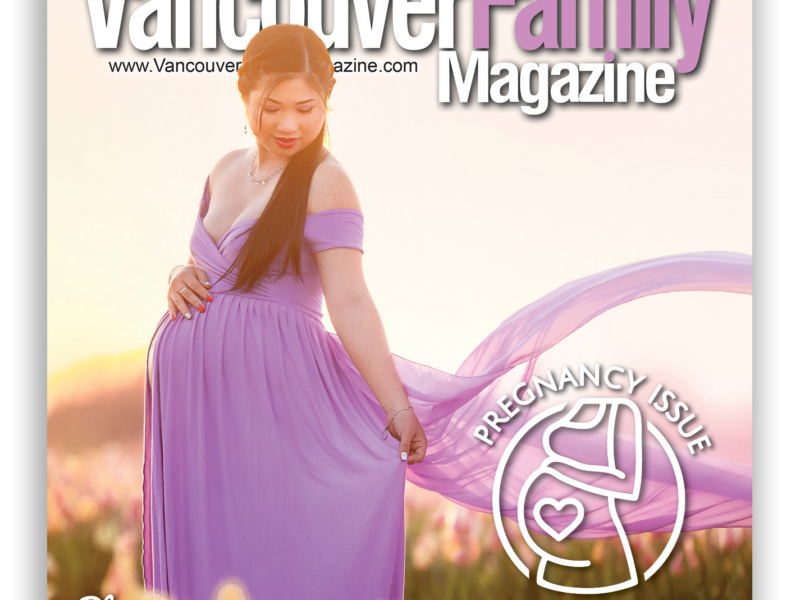
Read the full January 2024 digital issue below.
Go here to learn more about Washington School for the Deaf
Go here to learn more about Washington State School for the Blind

David Galyean
Hi, It was NICE to see that WSD bloosom in every aspect ways shaping it’s BRIGHT FUTURE among with two (2) brand new building coming up this August 2024 and we can’t wait to attend the grand opening. As you see, I am alumni, class of ’85 as well as serving on board member at WSD for six (6) years now and counting. Let’s give WSD a CHEER and SHOUT!!! GO TERRIER$!!!!!!! WOO wOO 🙂
Nikki Klock
Thanks for all you do with WSD, David! It’s a very special school and we are delighted to cover it in this month’s issue. Very exciting about the upcoming campus revitalization too!