

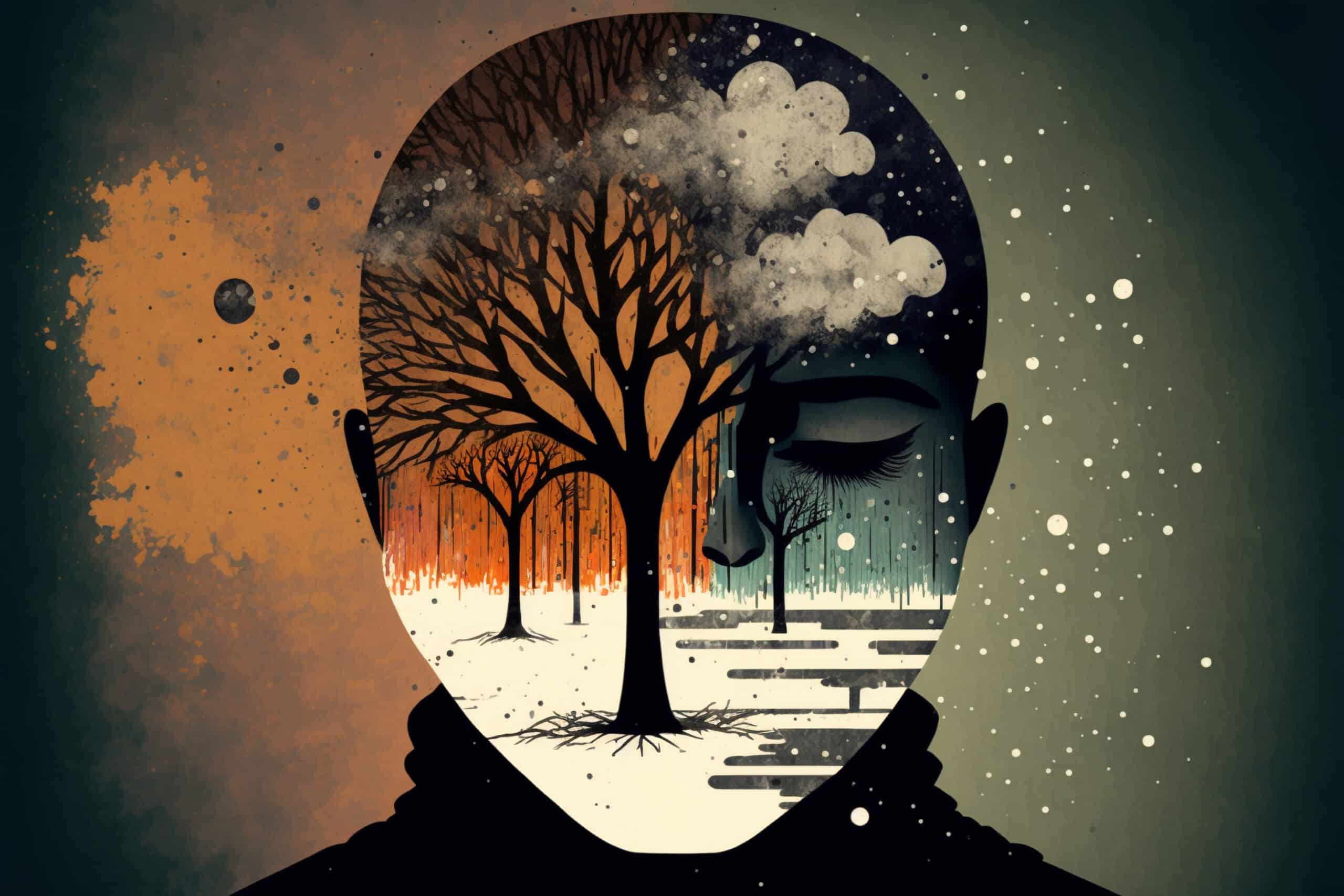
Preparing for (and Crushing) the Winter Blues
The Pacific Northwest is beautiful! I love the greenery and flowers. I love the accessibility of the rivers and streams. I love that I can plant bushes, trees, flowers and gardens and not have to worry too much about watering them. At various times in my life, I have tried to convince myself to move to other states that were closer to friends or family, but then the brown terrain of other areas inevitably convinces me otherwise. Our area is too beautiful to give up! Spring and early fall capture the most magical colors and transformations, and our summers have long inviting days to play outside.
The trade-off of living in such a verdant landscape is the months of rain and the darkness. During the summer we have about 14-15 hours of daylight to play, adventure or meet up with friends outdoors; in the winter our shortest days have about 7 hours of sunlight. The dark days can be hard and long.
Sunlight leads to more productivity, energy, opportunity, creativity and adventure. Conversely, the prolonged darkness can negatively affect energy, thinking and mood. Increased symptoms of depression that match the earth’s seasonal patterns is known as seasonal affect disorder or S.A.D. (sometimes informally referred to as the “winter blues”).
Symptoms of S.A.D./winter blues are:
- Decreased energy
- Decreased motivation to do your normal and favorite activities
- Feeling sluggish
- Feeling more depressed
- Increased agitation
- Changes in eating habits and weight gain
- Changes in sleeping habits
- Feelings of hopelessness or worthlessness
- Difficulty concentrating
- Increased isolation and social withdrawal
Winter blues or depression can be worsened by other events and transitions that commonly lead to increased feelings of depression or anxiety, like starting school, changing jobs, holidays or relocation from sunnier locations. However, don’t lose heart. There are many tools, resources and coping strategies that you can use to help you and your family through the Pacific Northwest’s dark and rainy months.
Strategies and Tools for Managing the Winter Blues
Enjoy the moments of sunshine.

- Enjoy the magic of the summer and fall. Don’t jump too early into the preemptive gloom about the rainy season and loss of daylight hours. Soak in every moment of sunshine.
- Capture the moments of rain breaks. There are almost always breaks in the weather during your day. Utilizing the sunbreaks will help you to feel the mental and physical freedom of the outdoors and the fresh air. You are not captive to the indoors and alternative lights.
- Know the various rain patterns, as well as your window of tolerance. Once you’ve lived in the Pacific Northwest for a while, you get familiar with the broad range of rain vocabulary and precipitation intensity levels that include cloudy days, misting, drizzles, sprinkles, rain and downpours. Everyone needs to find their “window of tolerance” for how much rainfall they are comfortable with. My personal bias is that we can still make outdoor plans on most days that are cloudy, misty, drizzly and sprinkling. On completely rainy days we will stay inside. However, the unexpected downpours are also favorite times for my kids to run outside and dance in the rain through shrills of laughter.
- Plan walks, hikes or outdoor adventures during the light rain patterns. Lacamas Lake Heritage Trail offers easy walking routes under the covering of tree branches, reducing the splatter of raindrops in your face.
- Capitalize on the one or two weeks of “fake summer” that typically comes in late January or February. The Pacific Northwest has a fun and misleading pattern of adding a random week or two of warm sunshine during the winter months. You’ll notice that everyone starts wearing shorts and emerging from their winter hiding. It’s a beautiful period of time that offers joy, relief and warmth before returning back to the months of more significant rainfall.
Identify the purpose and reason for your “suffering.”
- S.A.D. and winter blues or depression can feel like a time of suffering and gloom. Knowing the reason for suffering can alleviate some of the pain by giving you purpose and direction. For me it’s easy to name the benefit of rain. I love the flowers and deciduous trees in this area, plus I am forgetful when it comes to watering my plants, so I thank the rain for keeping this area beautiful.
- Practicing gratitude is another habit that reduces stress, anxiety and winter blues or depression. So many people are drawn to living in this region and much of the draw comes from the benefits of the rainfall and the varying seasonal patterns. Take time to notice and name what you appreciate such as the rivers, lakes or access to drinking water.
Capitalize on the months of being captive indoors.

- The dark and rainy months create great excuses to slow down, calm down and find cozy indoor activities. It’s easy to find an excuse to curl up with a book, good music, a favorite TV show or a puzzle when the weather is not as fair. The rain is a really nice excuse to not go outside to pull the weeds or mow the lawn.
- Join a group of friends or strangers for board games or trivia nights. BatCave Games on east Mill Plain and Fate & Fury Games on Burton Road are two local places that sell specialty board games. 3Peaks Public House in Ridgefield and Loowit Brewing and Vancouver Brickhouse, both in Downtown Vancouver are local options for trivia nights and/or live music.
- Across the river, OMSI offers fun evening events like OMSI After Dark and Science Pubs that give adults an easy evening of hanging out and possibly learning something new.
- Spend reflective time at home by yourself or with your partner. Reflect on what’s happened in your past year, as well as ideas or goals for the upcoming year. My husband and I have a tradition of remembering and writing down all the events, changes and challenges that occurred over the previous year; this is added to a running list that catalogues all of our years together. Additionally, we write down all the dreams or goals for the upcoming year; we try to stretch our imaginations, naming things beyond what we’re currently able to do, and typically we only accomplish about 50% of our goals. We have a collection of papers that list our yearly goals. It’s pretty interesting to wonder, like a spectator of my own life, what goals will come to fruition and be accomplished over the coming year.
- Press into your own work of self-help, growth and development. Dr. Brené Brown has written amazing and easily recommendable books that are great places to start, like “Daring Greatly” (Avery, 2012) and “The Gifts of Imperfection” (Hazelden, 2010).
- Create an environment of hygge in your house. “The Little Book of Hygge” (Penguin UK, 2016) by Meik Wiking explores the many ways the Danish culture capitalizes on the long days of darkness with the use of candles, rugs, music and good food. Danes often excel at creating cozy times with their friends and family.
Other “Winter Blues” Coping Skills and Resources

- Connect with your primary care physician or naturopathic doctor about your well-being to explore if there are any additional supplements or prescription medications that can support your body through the experience of winter blues or depression. Vitamin D deficiencies are common in this area and many people have a fall/winter routine of adding an additional Vitamin D supplement to their regimen.
- Connect with a mental health counselor. Counselors are great advocates in partnering with you to assess your symptoms and distress, as well as working towards your personal treatment goals. During the spring and summer, we are often able to stay busy enough to “forget” about our mental health concerns or symptoms of anxiety or depression. Slowing down in the fall and winter can be hard for many individuals as they start to experience more stress and symptoms.
- Maintain healthy habits and routines. Eating regularly, staying hydrated and prioritizing a healthy sleep rhythm are the three easiest ways to stay ahead of your depression and anxiety. Once you’ve tackled those three basics you can move on to incorporating exercise or body movements into your schedule. Then assess your social needs. Both introverts and extroverts need some degree of social connection, however the activities and amount of time will vary for every person.
- Increase your light exposure. Light therapy tools, well-lit houses, opening the window shades and going outside are a few local and easy ideas. Others find that they need to plan trips to sunnier and warmer climates during the gloomy and darker months.
- Have grace for yourself and others. During the fall and winter months, people are more likely to be cooped up inside, feel sick or under the weather, experience stress or feel rushed from starting school or feel stress about the upcoming holidays. There’s a lot happening, and we don’t always know the full story of what’s happening for other people. Hold grace and compassion as we’re all making mistakes and not having the most favorable reactions to others.
- Create a bucket list of indoor experiences that you want to try. This “winter blues buster” list can either be something that you spontaneously access or that you plan into your schedule to experience the positive benefits of anticipation. A few local ideas to get you thinking:
- Christmas and winter scenic train rides on Chelatchie Prairie Railroad in Yacolt
- Listening and dancing to The Ne Plus Ultra Jass Orchestra at Providence Academy Ballroom (they typically play the first Friday of each month)
- Learning swing dancing at The Valiant Ballroom in Downtown Vancouver
- Rock climbing at The Source in Downtown Vancouver
- Rain-friendly restaurants with covered and heated seating like WildFin American Grill and Twigs Bistro, both on the Vancouver Waterfront
- Vintage shopping in Downtown Vancouver at House of Vintage or thrift shopping at Secondhand Solutions Thrift Store, benefitting Open House Ministries
- Escape rooms at NW Escape Experience in Hazel Dell
- Axe throwing at Firehouse Axes in Downtown Vancouver
- Mountain View High School Holiday Bazaar, taking place this year on November 11, 9 am-4 pm
- Pottery making, glass blowing or canvas painting at Live Laugh Love Art in east Vancouver or Kilnfolk in Downtown Vancouver
- Laser tag or miniature golf at Laser Blasters, Vancouver Mall
- Pearson Air Museum in Downtown Vancouver (admission is free!)
- Family dessert at Ice Cream Renaissance in Downtown Vancouver or Angel’s Donuts (2 Vancouver locations)
- For a nearby overnight getaway, sleep in a treehouse at Skamania Lodge in Stevenson.
- Find more indoor family fun on Vancouver Family Magazine’s community events calendar.
Though the days are long and dark, there are many ways that you can take care of yourself and possibly even find enjoyment in the days to come.
READ THE FULL DIGITAL ISSUE HERE: